Article
Hokusai's Colours, Brought Back
The colours Hokusai meant us to see can no longer be seen as they were. The International Hokusai Society of the Japan Art Academy supervised the colours, the prints were pulled again with techniques unbroken since Edo, and the three were mounted as hanging scrolls. Here are the colours and the handwork, in pictures.
Supervised by Yoshihisa Endo, Representative Director, Japan Art Academy
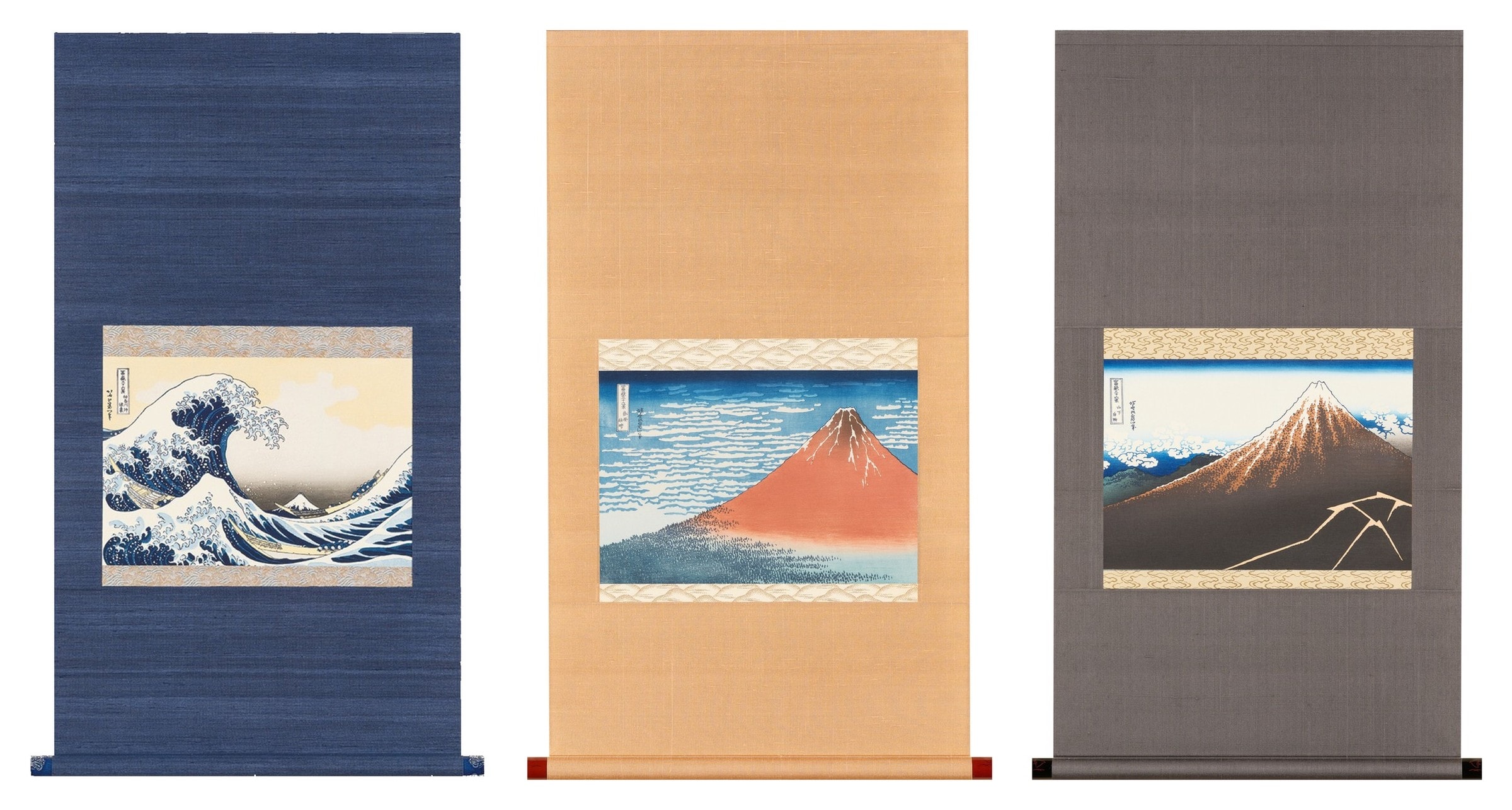
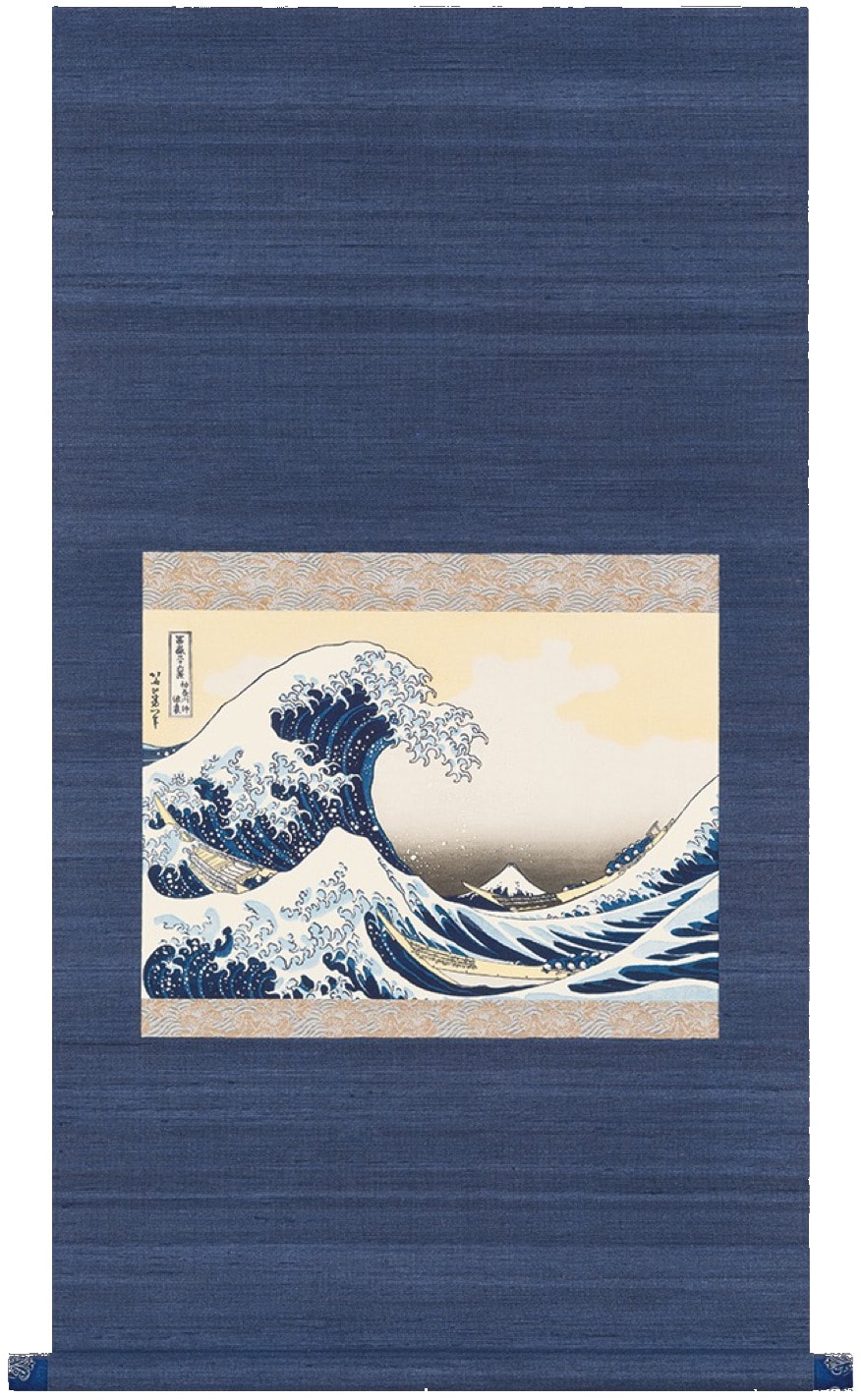
The colours Hokusai painted, brought back to the present
Unlike a painting, a ukiyo-e print passes from the artist's drawing through the hands of a carver and a printer before it is finished. From one set of blocks, the first edition is said to have run to about two hundred impressions. No two are quite the same colour, and over the years daylight fades them. So today the colours as they were first printed cannot be seen.
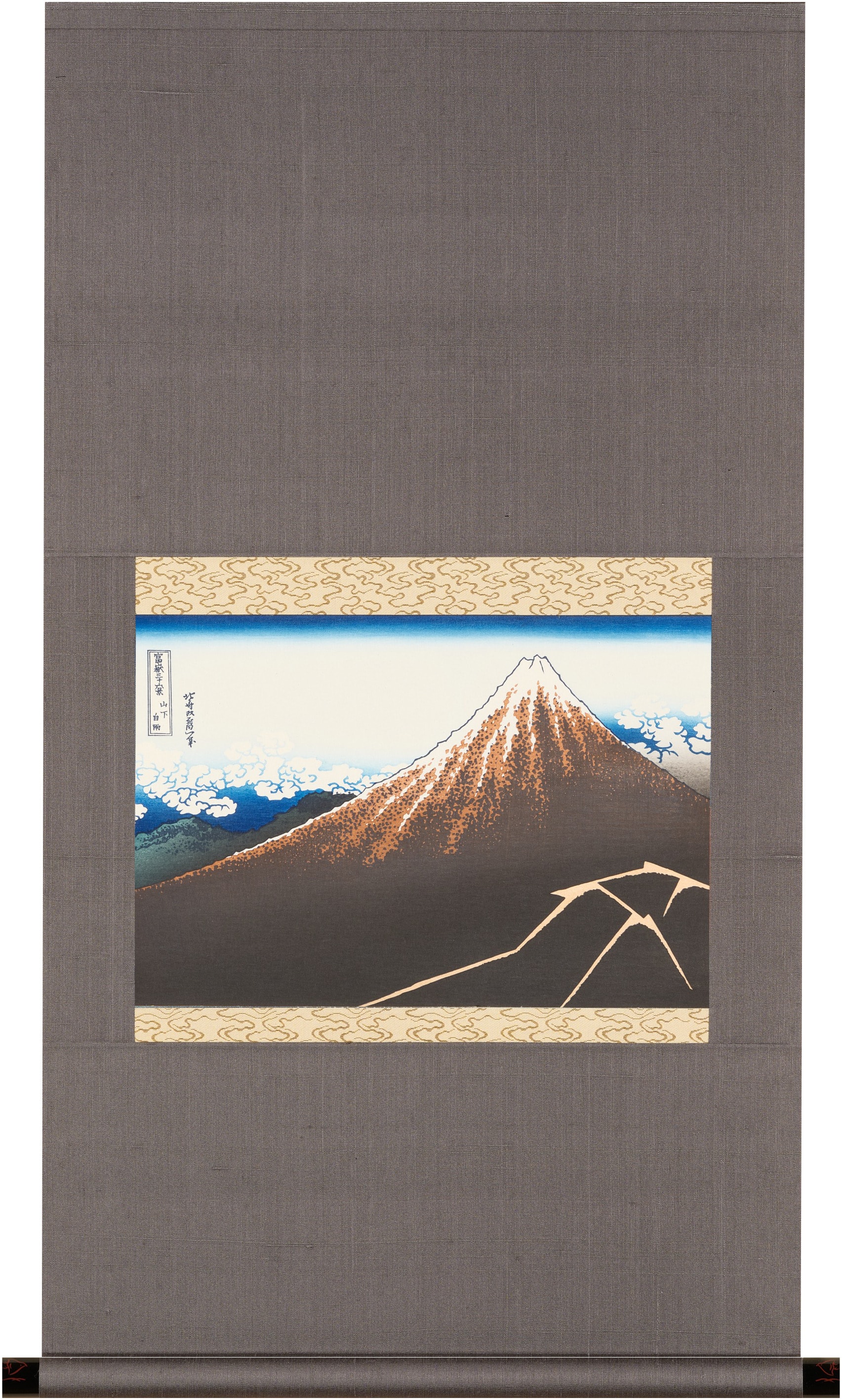
To preserve, for the generations to come, the colours Hokusai truly meant to print: that is the mission of the International Hokusai Society of the Japan Art Academy. The Society has now supervised the colours of the three best-known designs of the Thirty-six Views of Mount Fuji — Under the Wave off Kanagawa, Fine Wind, Clear Morning and Rainstorm beneath the Summit.
The Society established the correct colours, the prints were pulled again with techniques that have continued since the Edo period, and the mounting silks and papers — of the kind used only by the old houses that restore and remount antique scrolls — were chosen to suit each work. Each comes with a certificate of appraisal issued by the Japan Art Academy.
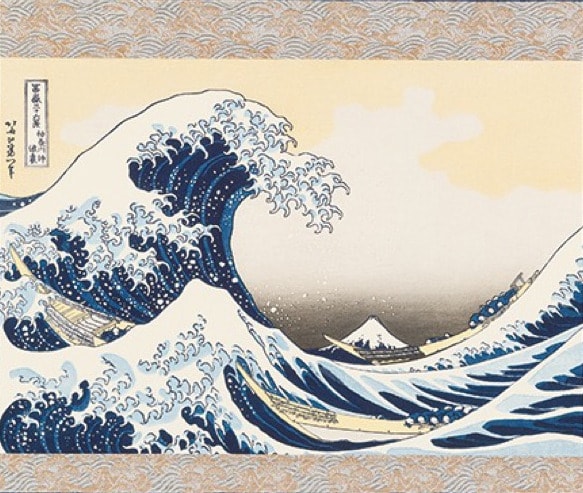
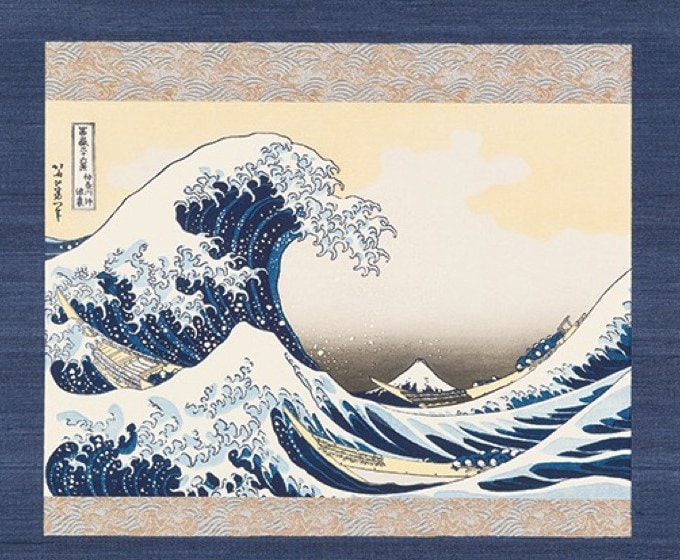
Under the Wave off Kanagawa — the best-known wave in the world
It is sometimes called the most famous picture after Leonardo's Mona Lisa. Debussy put this wave on the cover of the first edition of La Mer. The fingers of spray on the breaking crest; the small Fuji set in the trough below. The gradations of indigo, possible only in a print, are the life of the design.
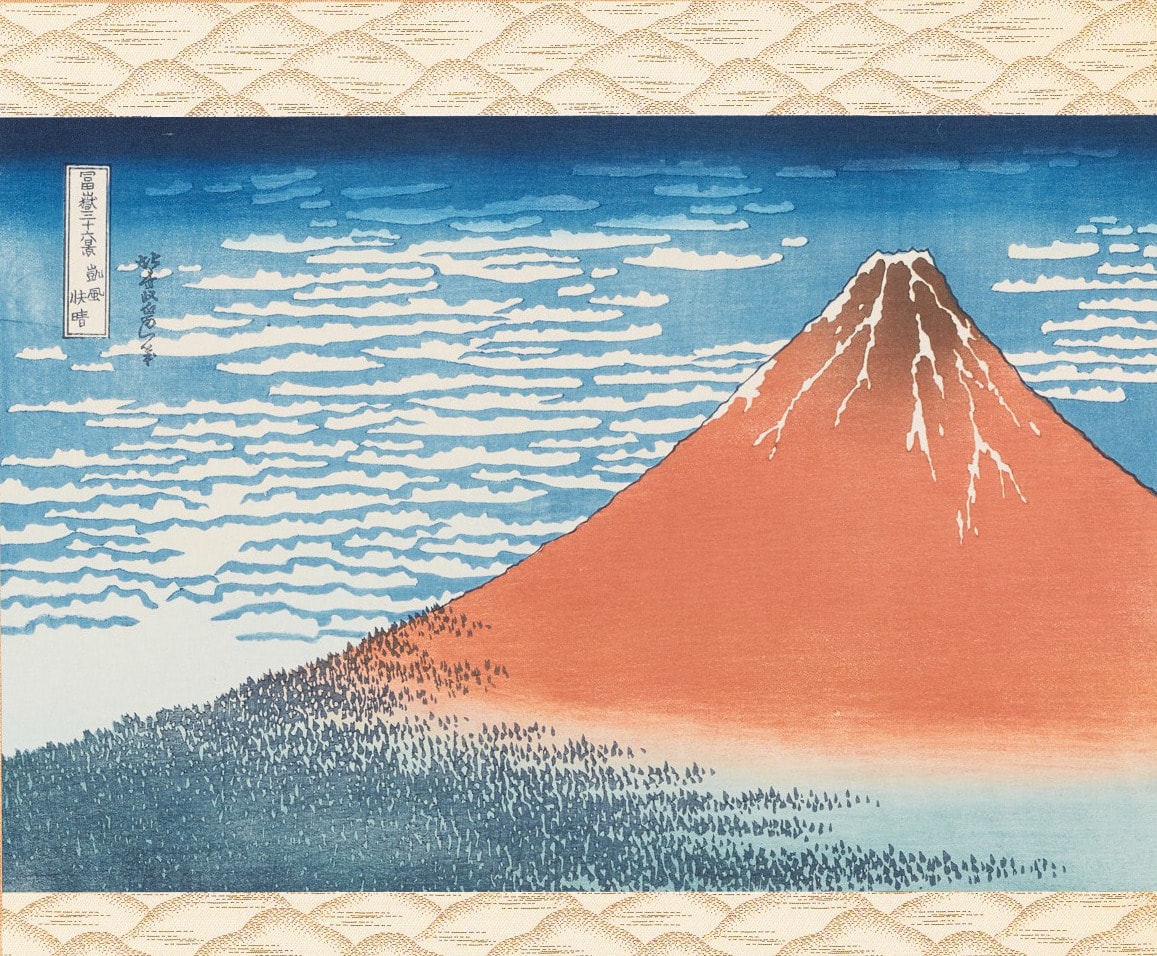
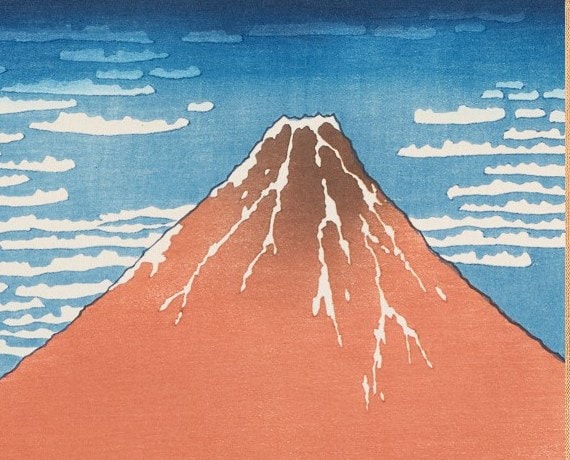
Fine Wind, Clear Morning — Fuji set squarely before us
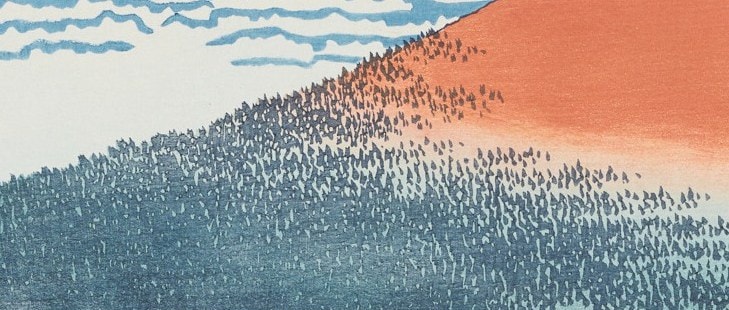
Many pictures show Fuji, but none places it this squarely and boldly. It is said to show the mountain a moment before the morning sun turns it red. The red of the slope, the indigo of the sky, the white streaks of snow, the stippled forest at the foot — with only these, the whole size of the mountain is given.
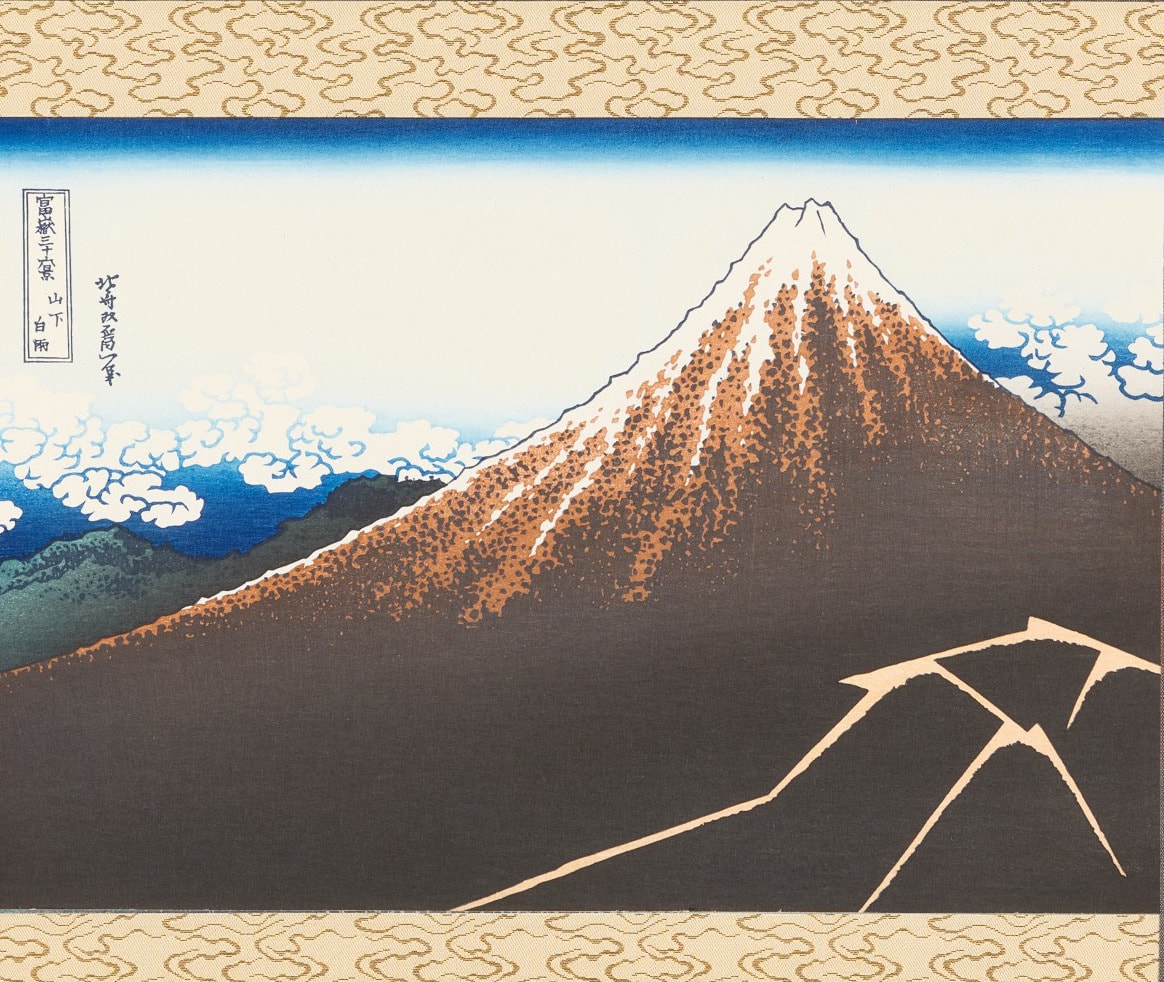
Rainstorm beneath the Summit — rain under a clear sky
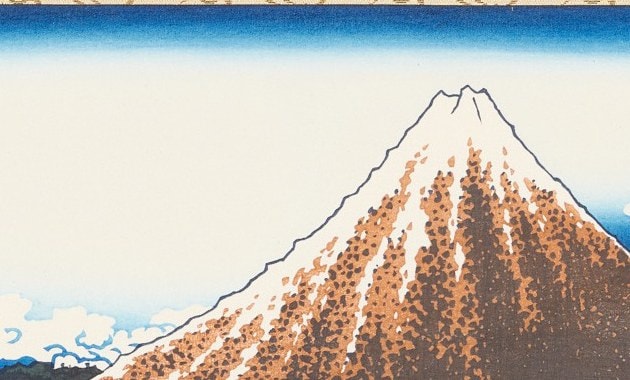
Hakuu is rain that falls while the sky is clear. The summit stands in fine weather while lightning runs across the lower slopes: brightness above, black below, in one sheet. From where, exactly, did Hokusai see this Fuji?
Hokusai
Katsushika Hokusai (1760–1849) was a painter and print designer of the late Edo period. In 1998 he was the only Japanese named in LIFE magazine's list of the hundred most important people of the past millennium. He is said to have left some thirty thousand works. Painter, designer and teacher, Hokusai published the Thirty-six Views of Mount Fuji, generally called his masterpiece, in his seventies, as large-format colour prints.
The series was first issued as thirty-six designs; it sold so well that ten more were added, making a set of forty-six.
The craft of the Edo woodblock — Takahashi Kobo
For more than four hundred years, since the early Edo period, the craft of the Edo woodblock print has passed from hand to hand, and it continues to this day, chiefly in Tokyo. Takahashi Kobo, which printed these, has worked for more than a hundred and seventy years since its founding at the end of the Edo period. The charm of the Edo print lies above all in the brilliance of colour that only multi-block printing can give: as many as twenty or thirty printings, each registered exactly, build up the distinctive tones.
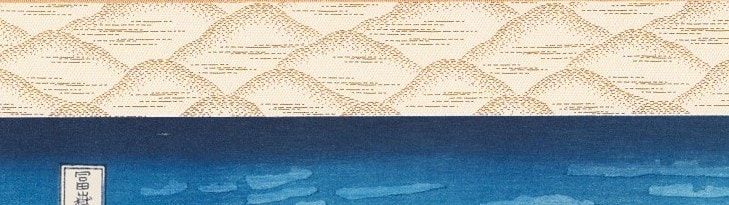
The paper is the finest Echizen kizuki hosho. The soft, full body of the sheet and the way the pigment has soaked into it give a gentle warmth. Turn the sheet over and the picture shows through to the back, where you can look for the marks of the printer's baren — one of the pleasures of a hand-pulled print.
The printing was done by Takahashi Kobo, a workshop in Suido, Bunkyo, Tokyo. The Takahashi family have been printers for generations; from the fourth generation they have also worked as publishers, and the studio is now led by the sixth, Yukiko Takahashi. Besides reprinting ukiyo-e by Hokusai, Hiroshige and others from cherry-wood blocks on Echizen kizuki hosho paper, the studio passes on the craft of the Edo woodblock through demonstrations by its carvers and printers and through workshops in schools.
Takahashi Kobo website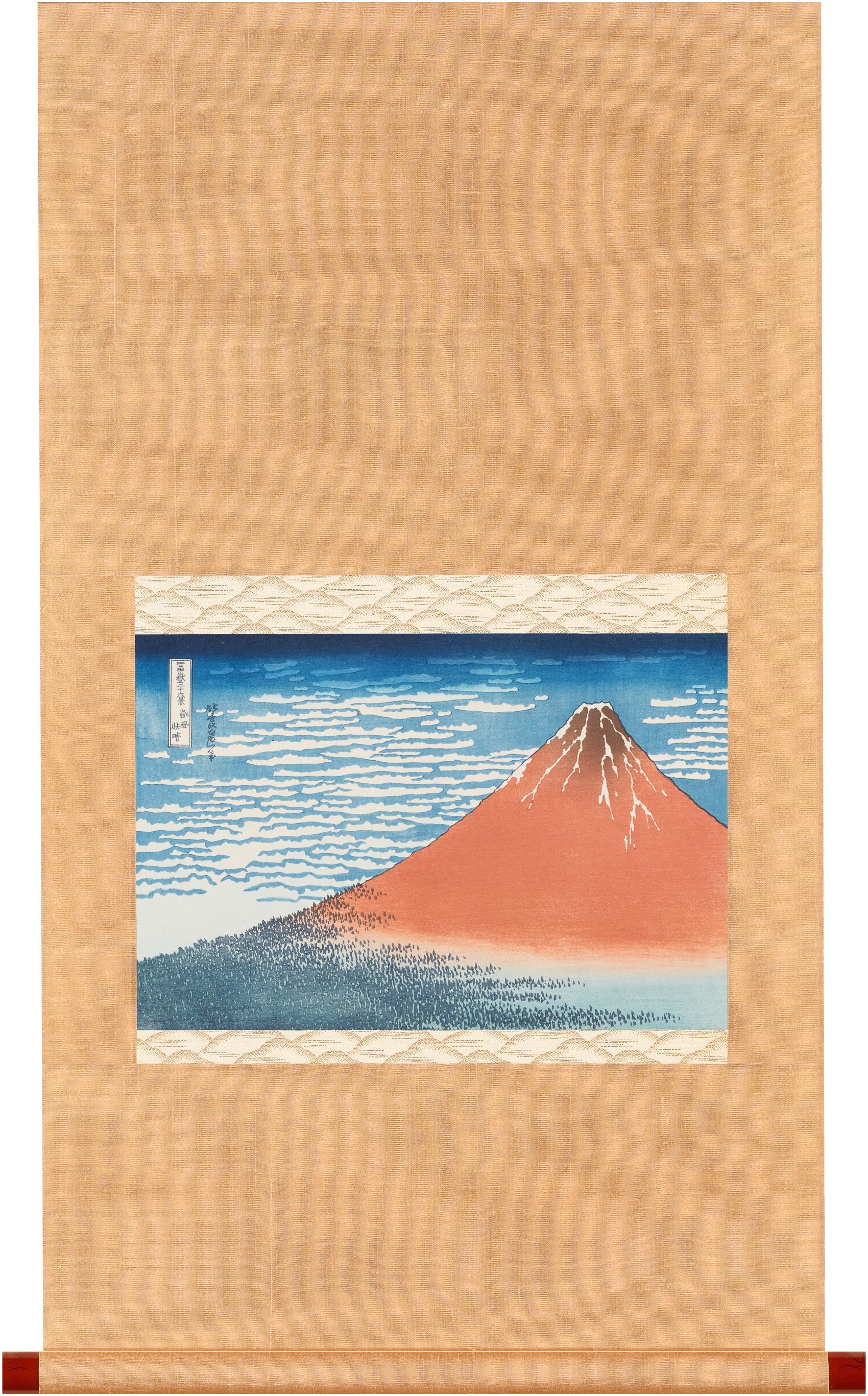
Supervising editor
Yoshihisa EndoJapan Art Academy Representative Director
Born in Nishi-Azabu, Tokyo, in 1940. After graduating in French literature from Chuo University and a period in business, he founded a video production company. Negotiating directly with the Louvre, the Prado, the Hermitage and other museums, he filmed their collections in high definition for series such as The Museums of the World (1991), and published a multi-volume museum encyclopedia with twenty professors led by the art historian Seiro Maekawa.
He has produced or supervised more than a thousand television programmes on art (The World's Masterpieces on BS Asahi and Painter × Painter on BS Nippon TV among them), and his books include Letters from Vermeer and Lautrec and Mucha (Random House Kodansha) and a study of the Hokusai Manga (Kawade Shobo Shinsha). He is representative director of the Japan Art Academy (founded 2010) and a director of the International Hokusai Society (founded 2019). As a filmmaker he works under the name Hisashi Fuji.
Credits
- Produced by
- International Hokusai Society, Japan Art Academy
- Supervision
- Yoshihisa Endo, Representative Director, Japan Art Academy
- Hiromi Yasui
- Cooperation
- Takahashi Kobo (Edo woodblock prints)