Ceramics — Ecchu-Seto 1954–
Yukio Shakunaga
釋永由紀夫
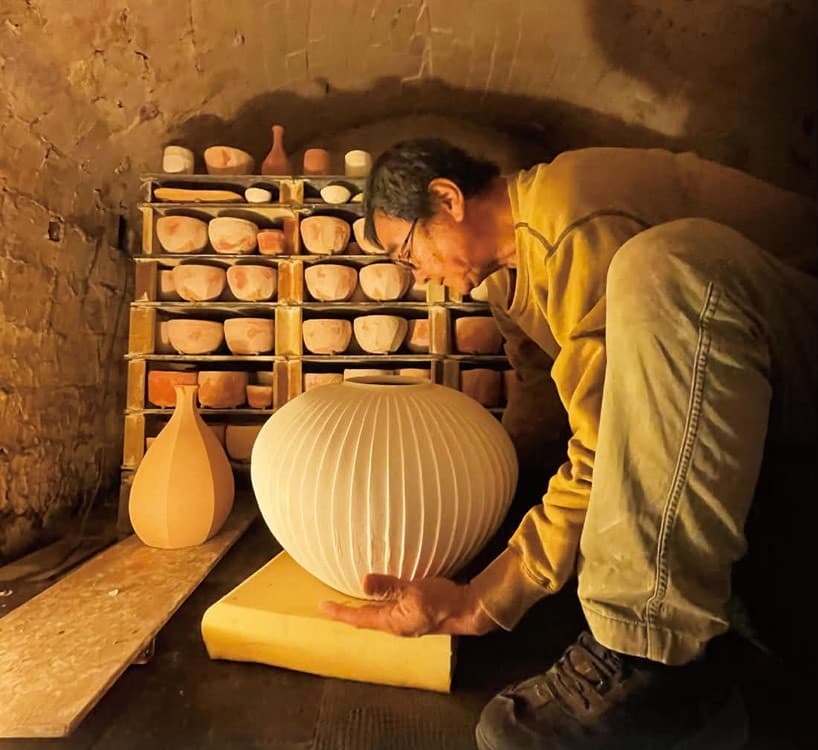
Working the white clay of Tateyama, he carries Ecchu-Seto ware into the present. Steve Jobs came to his solo exhibition in Kyoto, and commissioned work from him for years afterward.
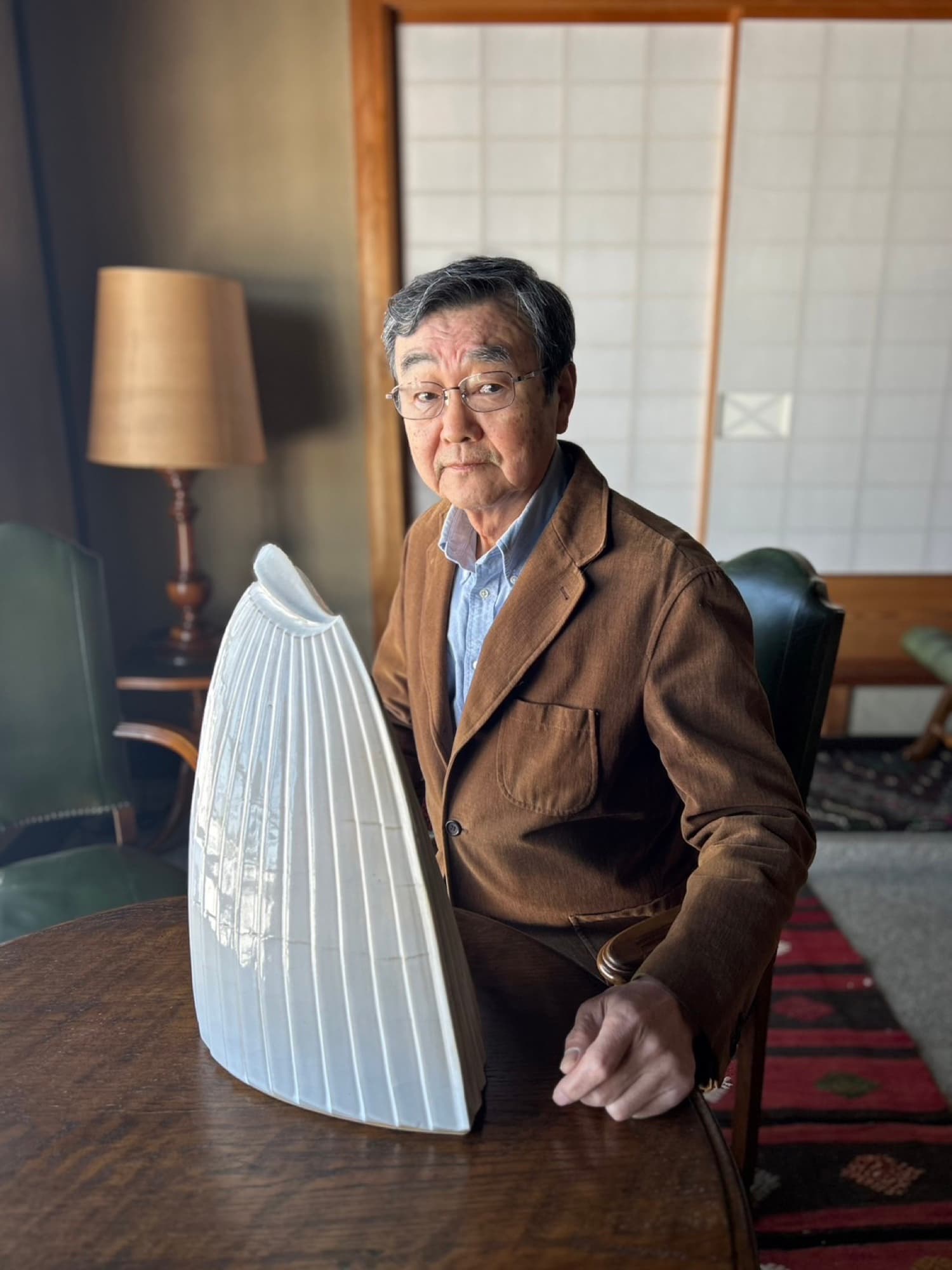
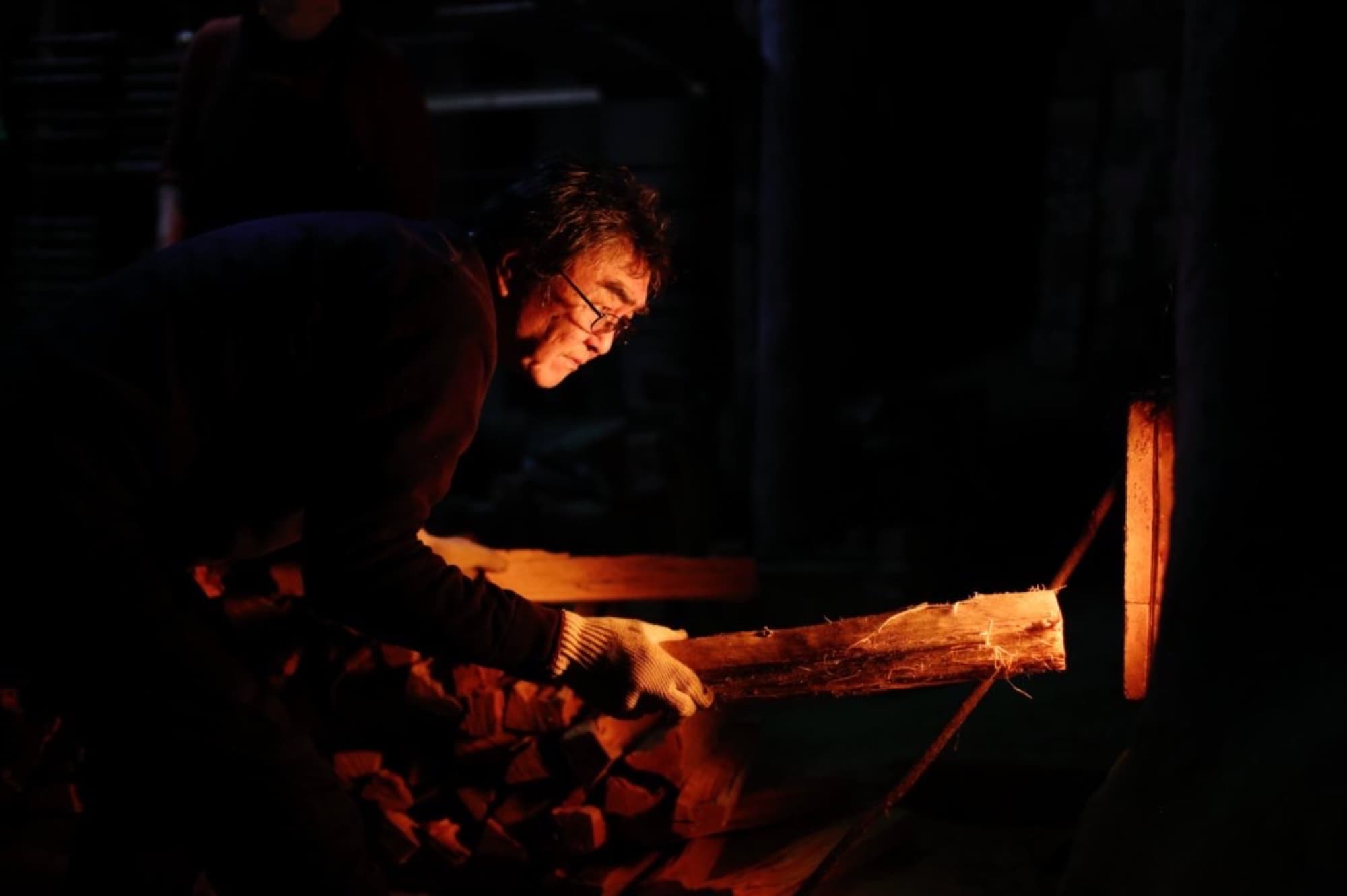
Born in 1954 in Tateyama, Toyama Prefecture. His grandfather, Shojiro Shakunaga, worked to revive Ecchu-Seto ware. In 1975 he succeeded to the Shoraku kiln.
He was mentored by Seizo Hayashiya and studied under Sozan Kaneshige in Bizen, and has also worked at the Icheon, Mungyeong and Cheongju kilns in Korea.
When he held a solo exhibition in Kyoto, the late Steve Jobs came to see it, and commissions followed for years. His work has been shown in New York, Milan, Taipei and Hungary. Certified by Toyama Prefecture as a Master of Traditional Crafts.
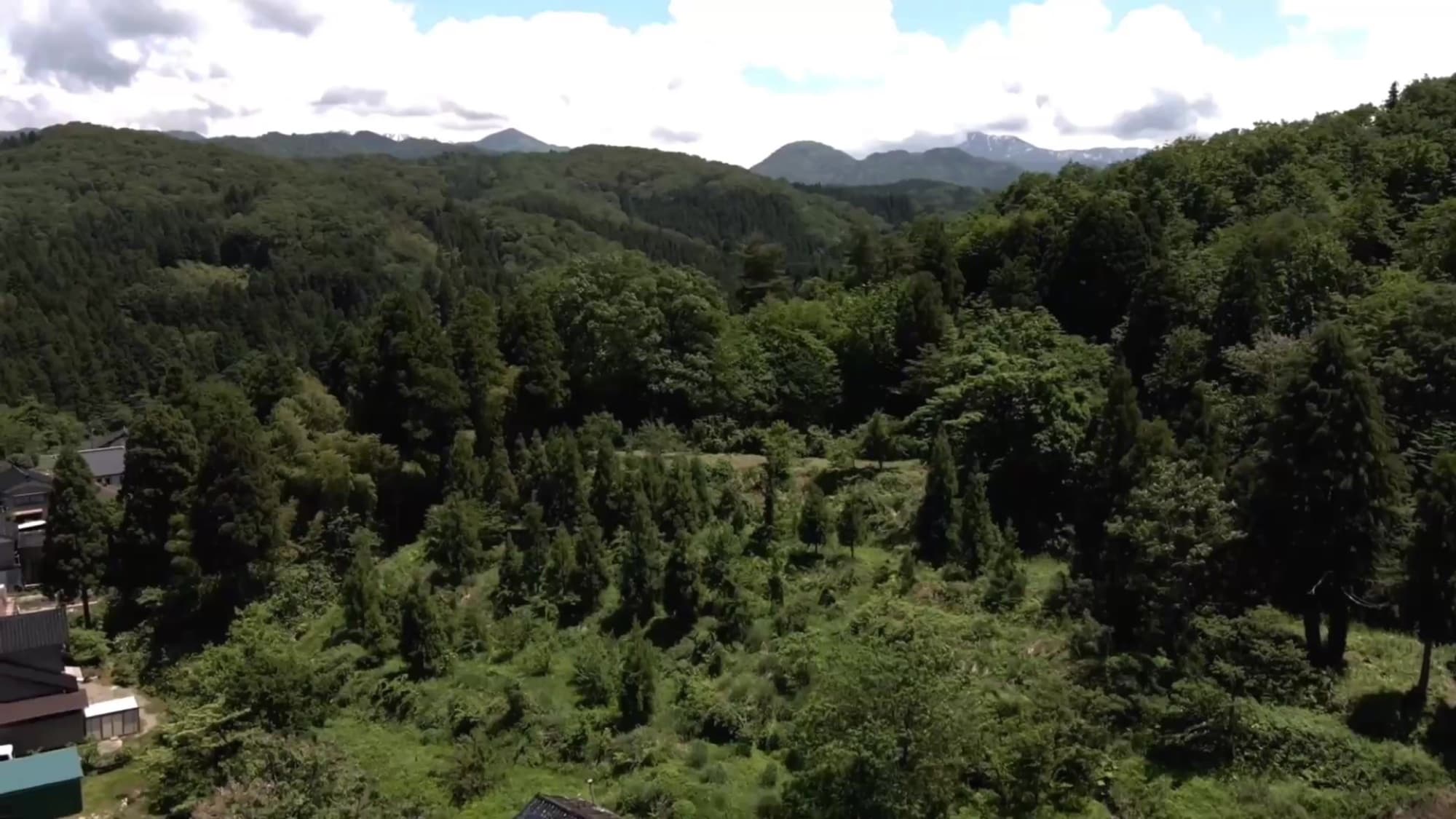
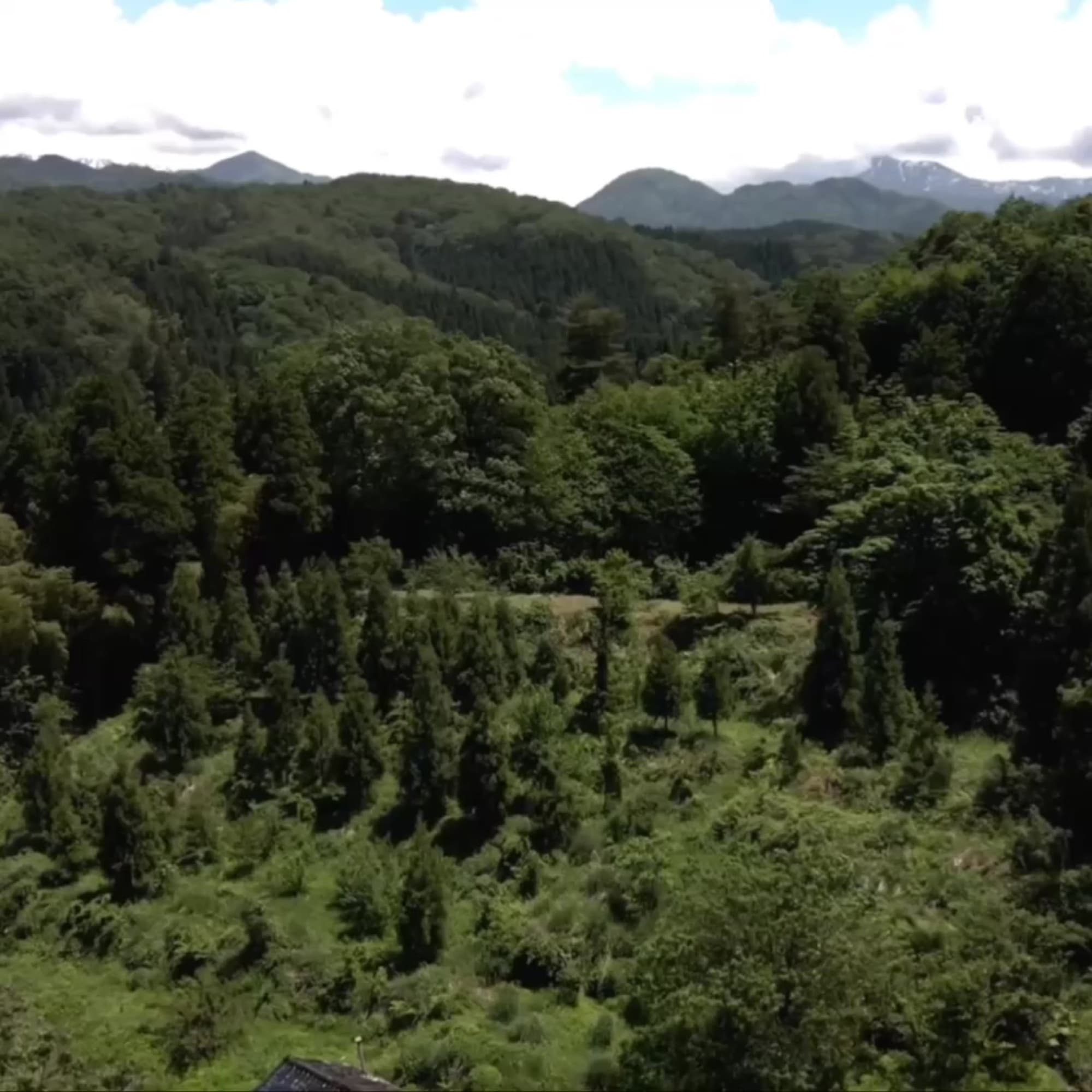
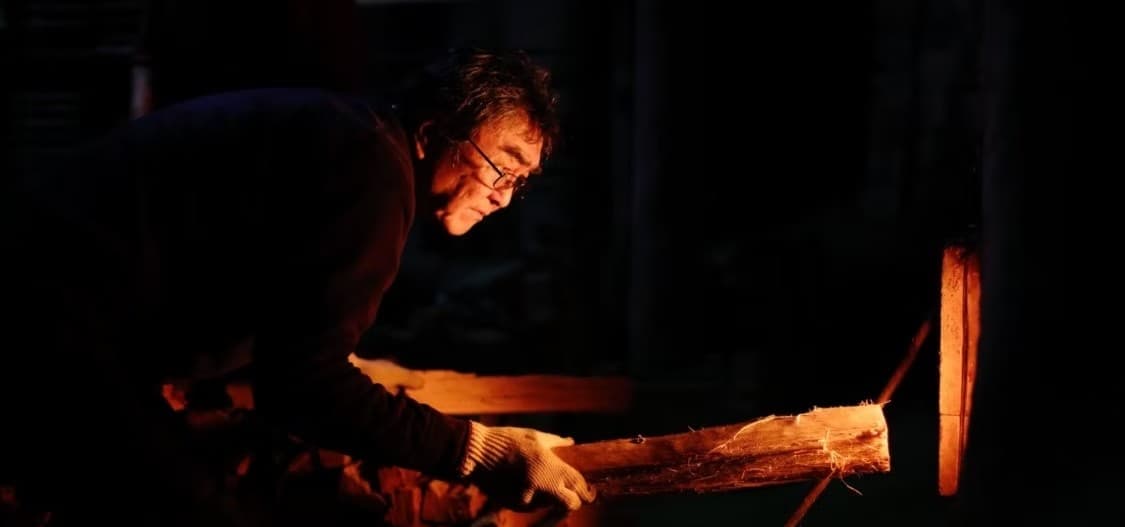
His workshop stands at Kamisue in Tateyama, in the old Ecchu-Seto pottery district at the innermost reach of the Toyama plain, some 180 meters above sea level, with the mountains rising behind the kiln.
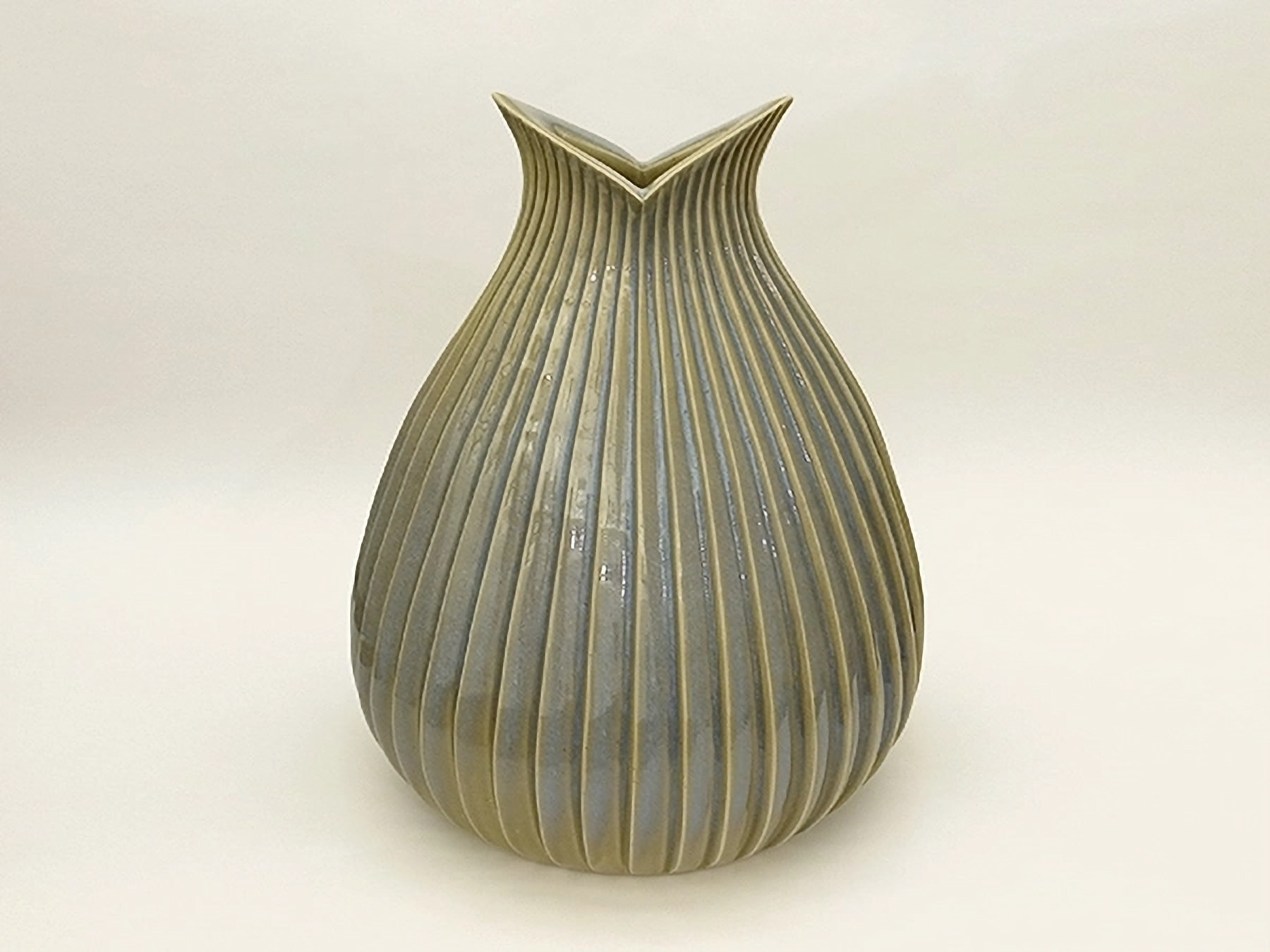
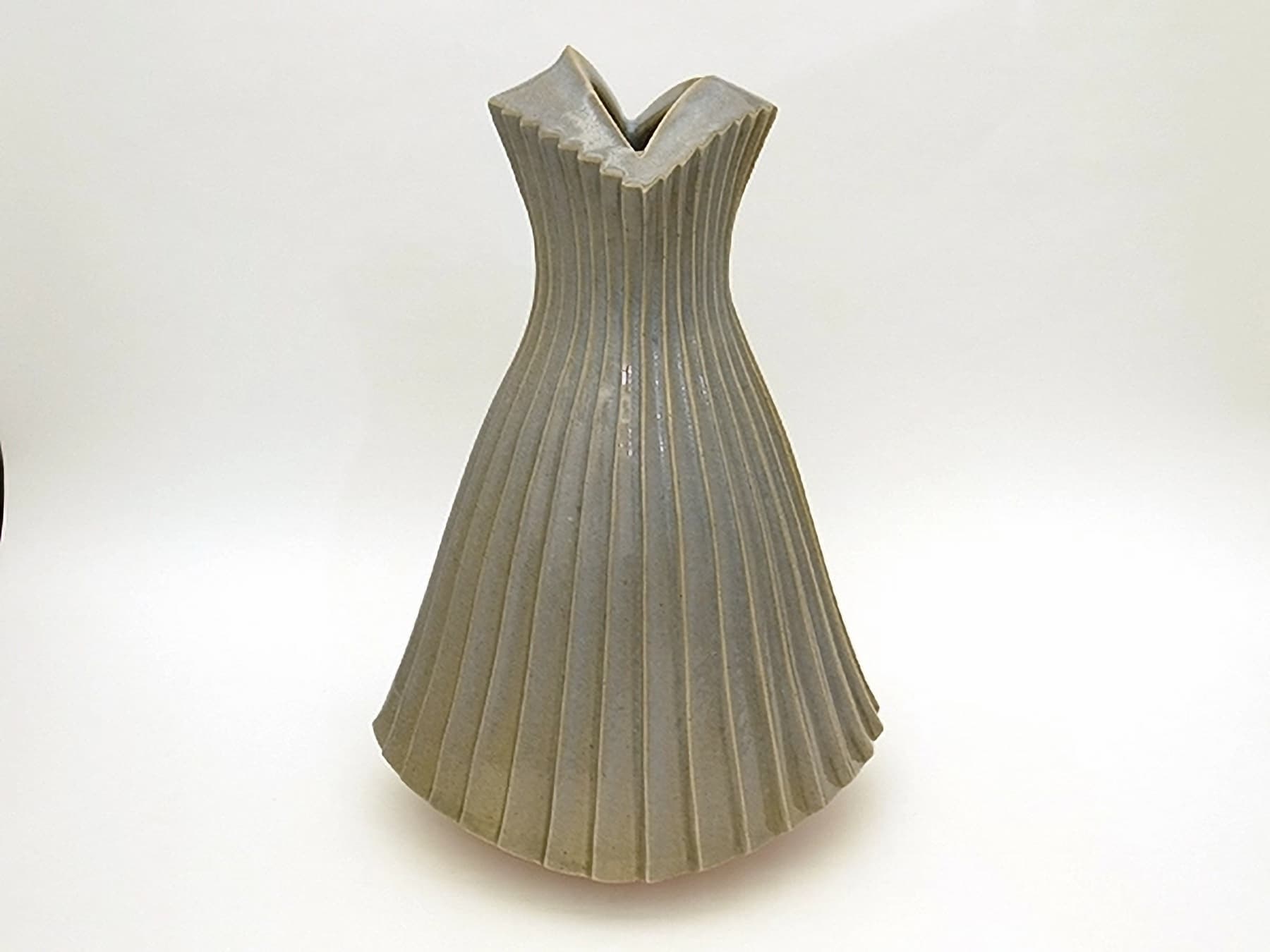
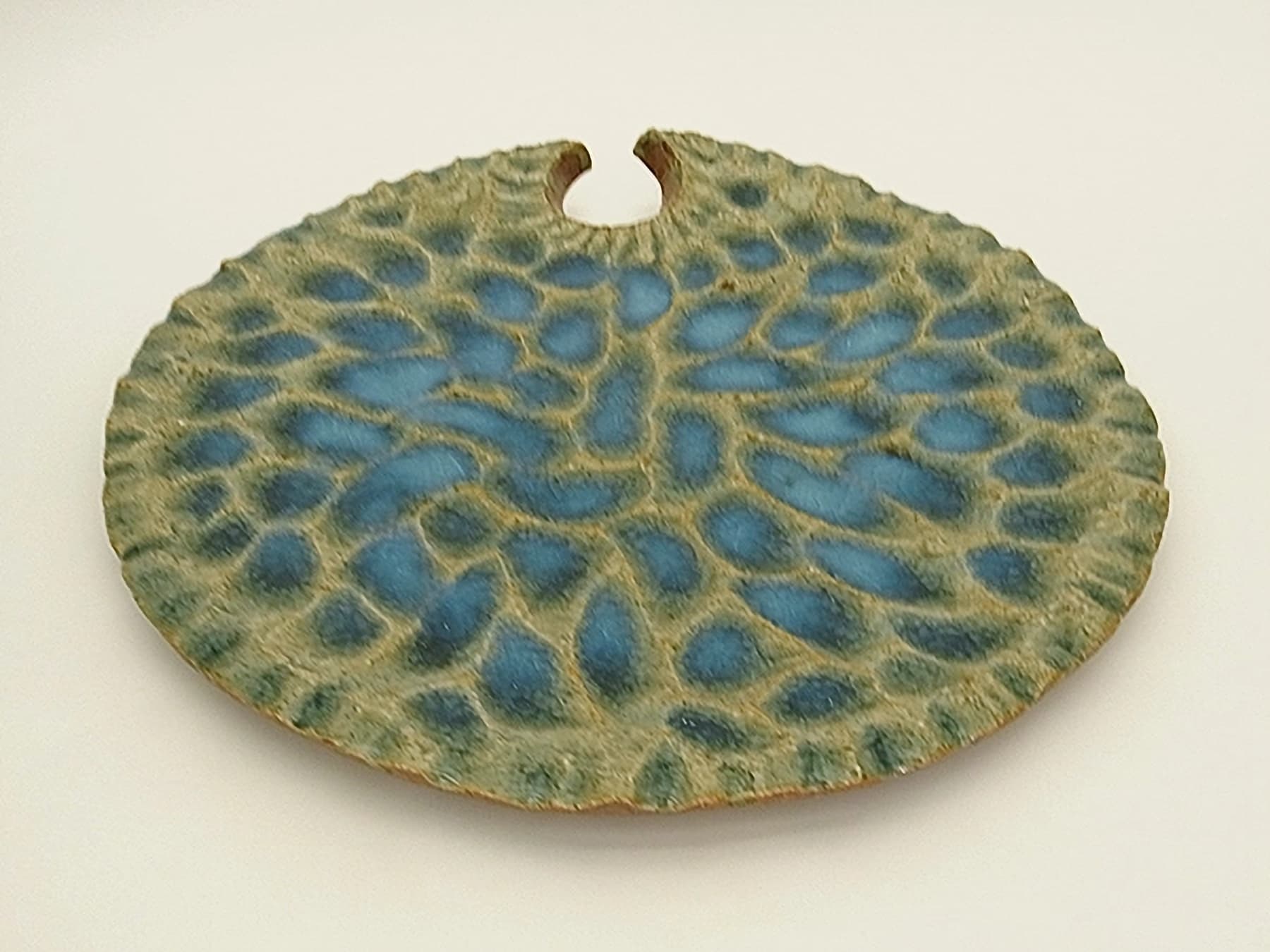
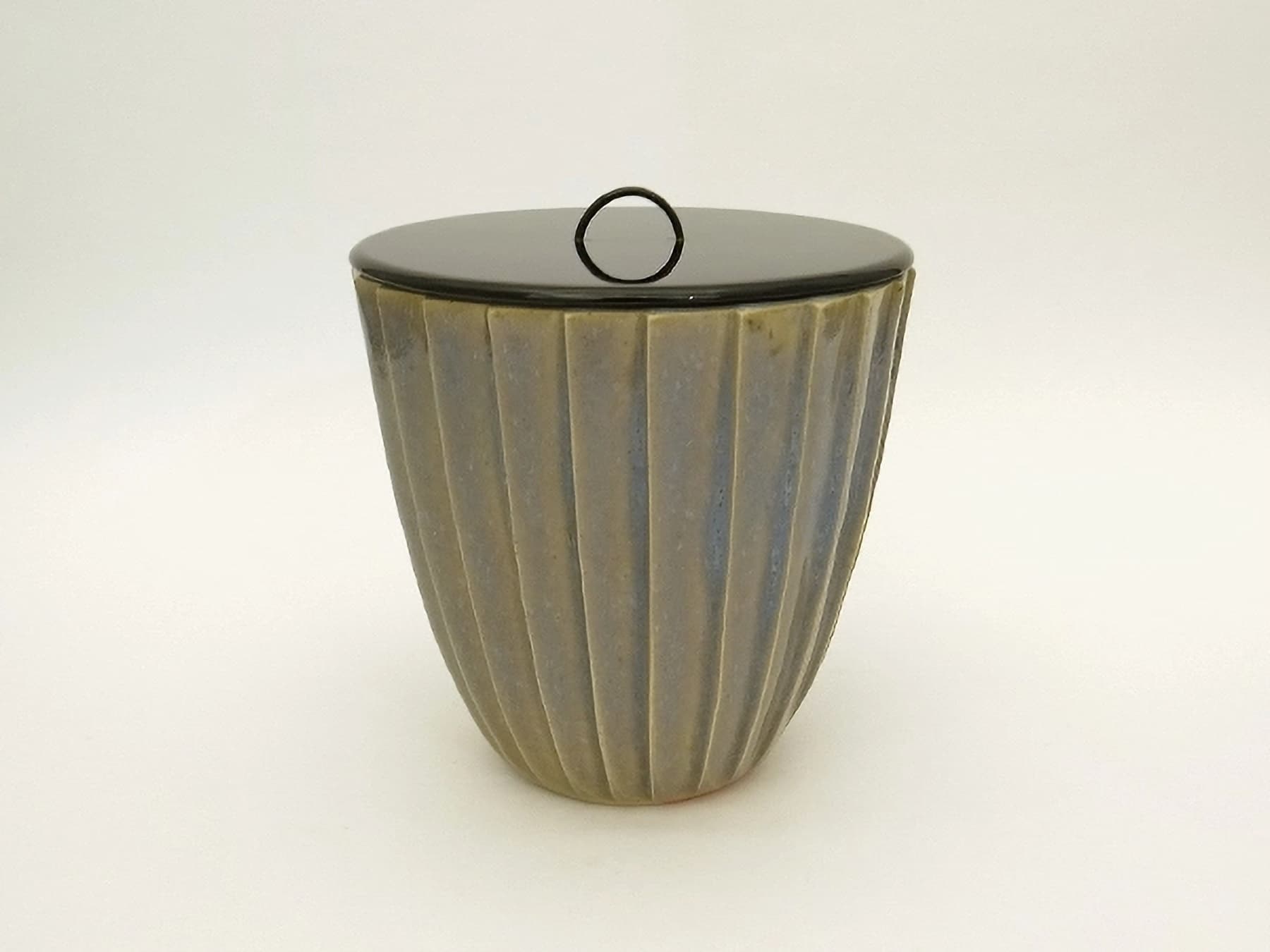
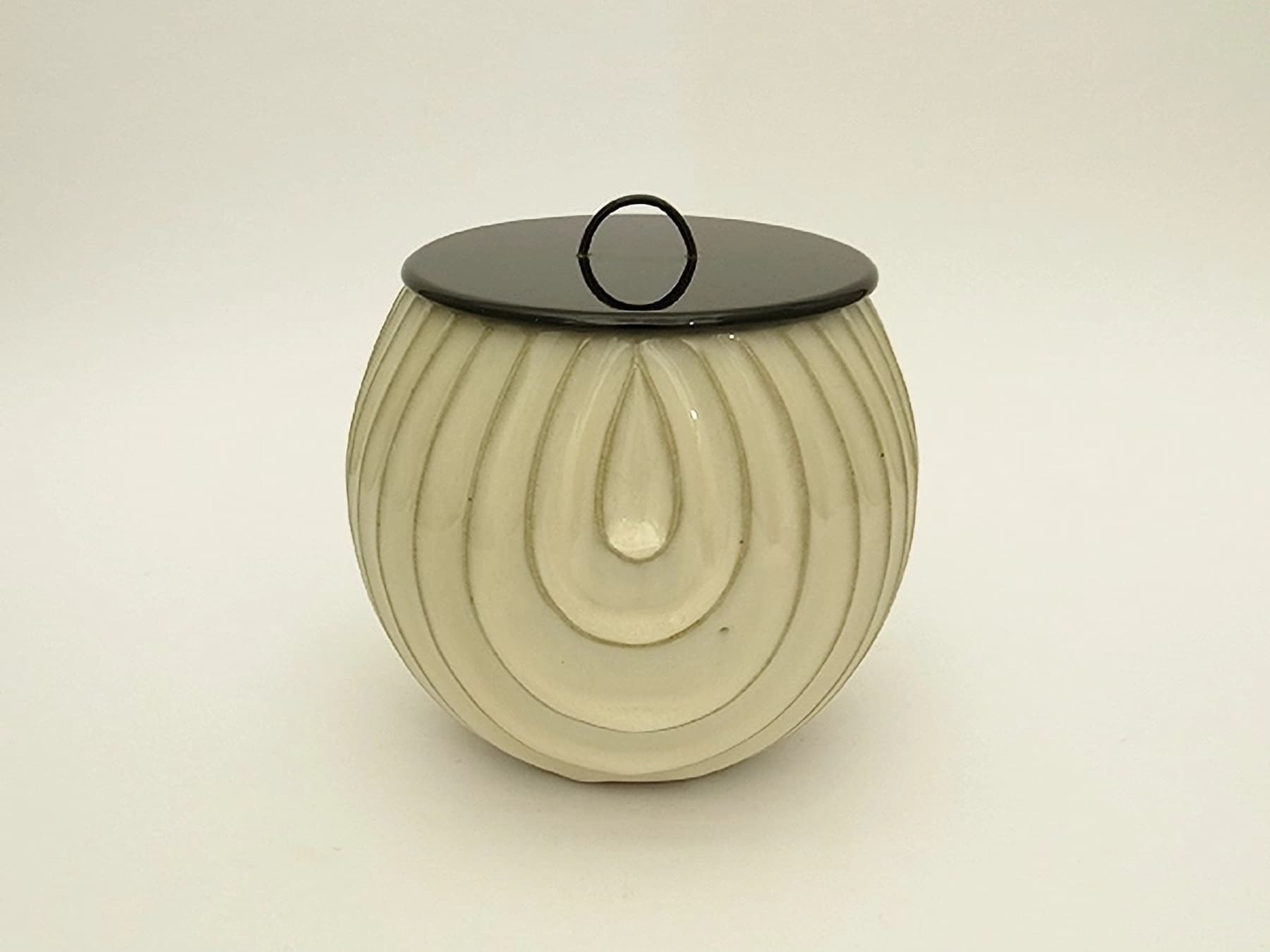
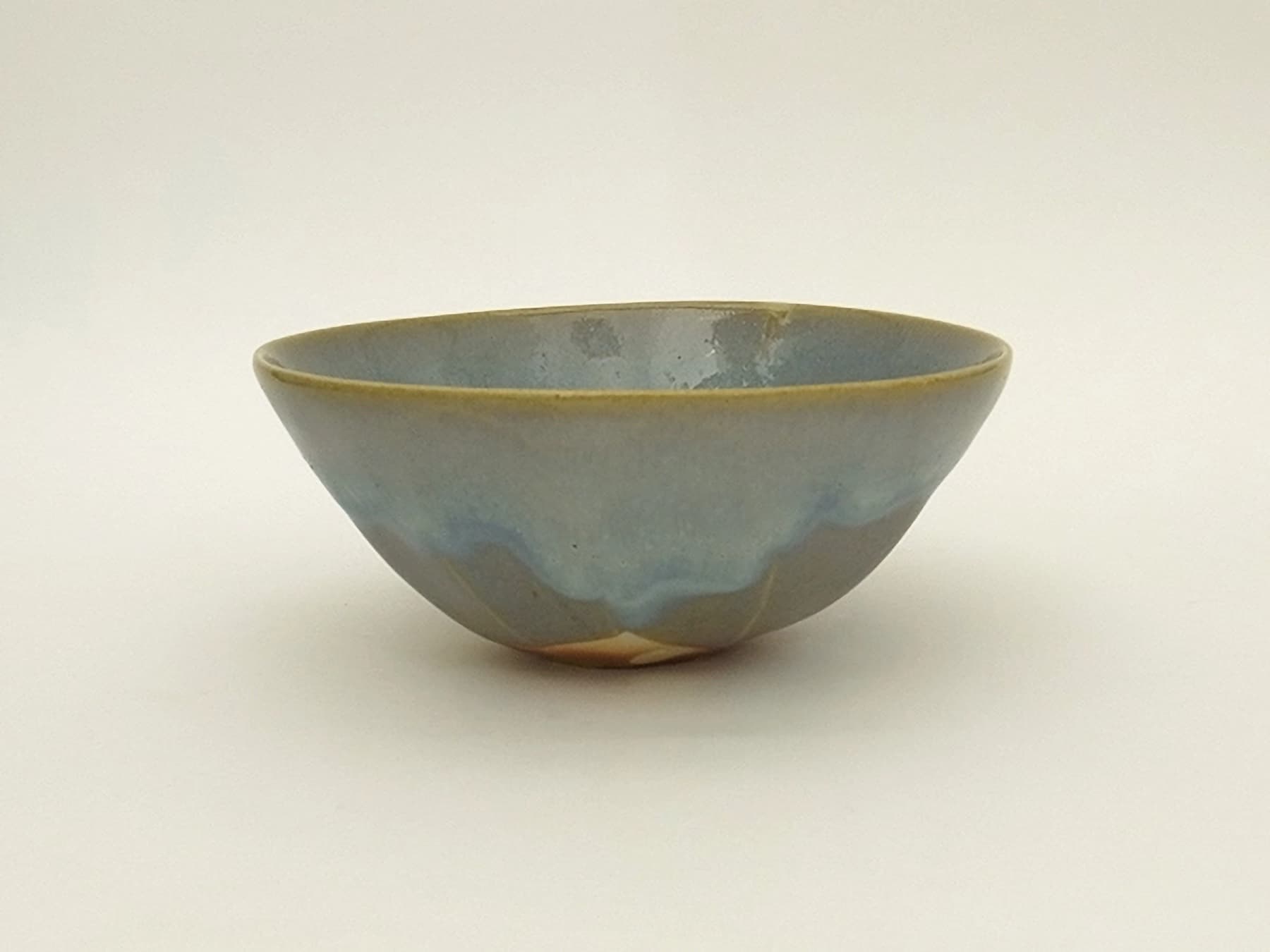
《澱青鎬花入》Ecchu-Seto ware W31.6 × D29.5 × H37.6 cm
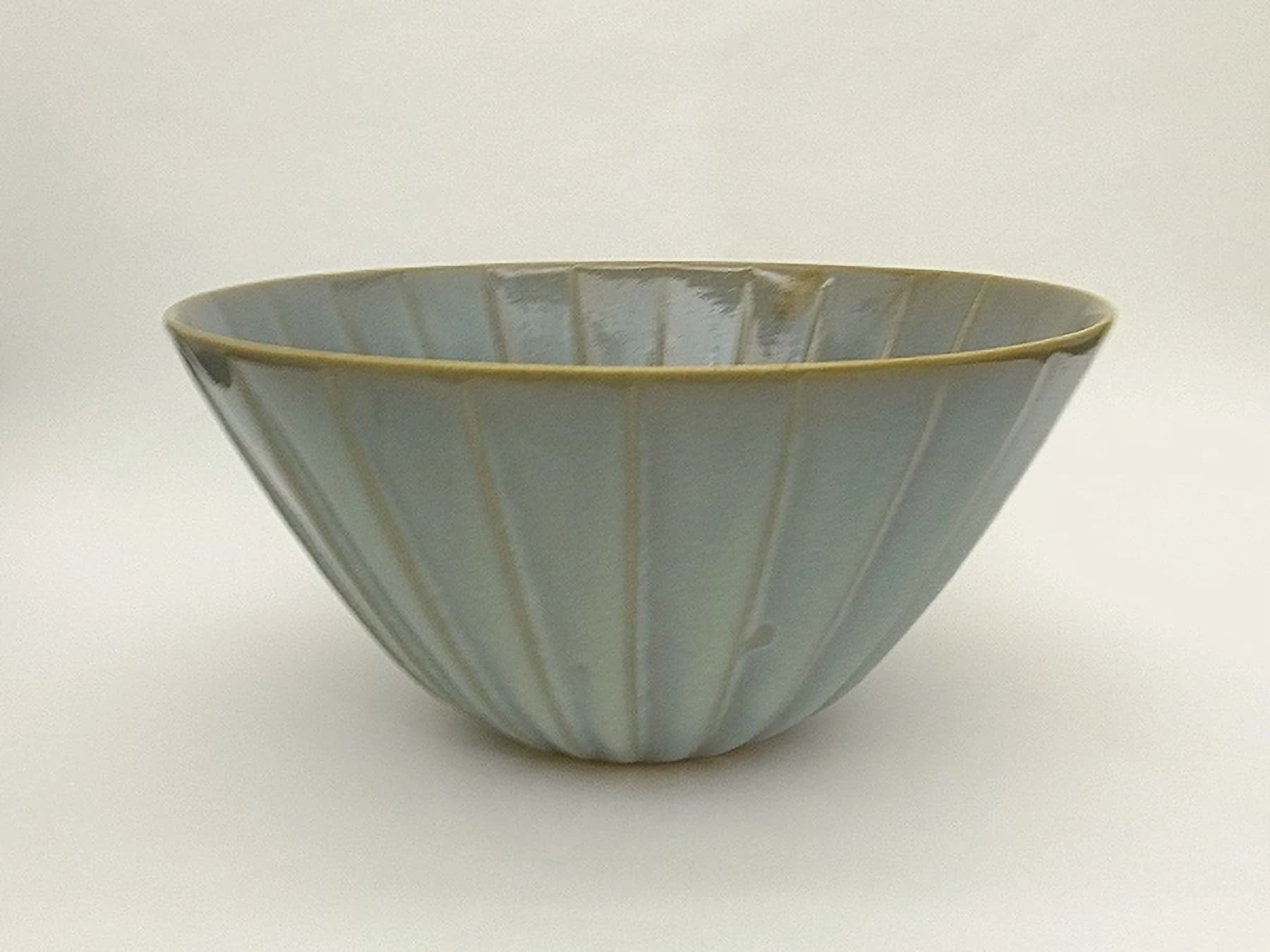
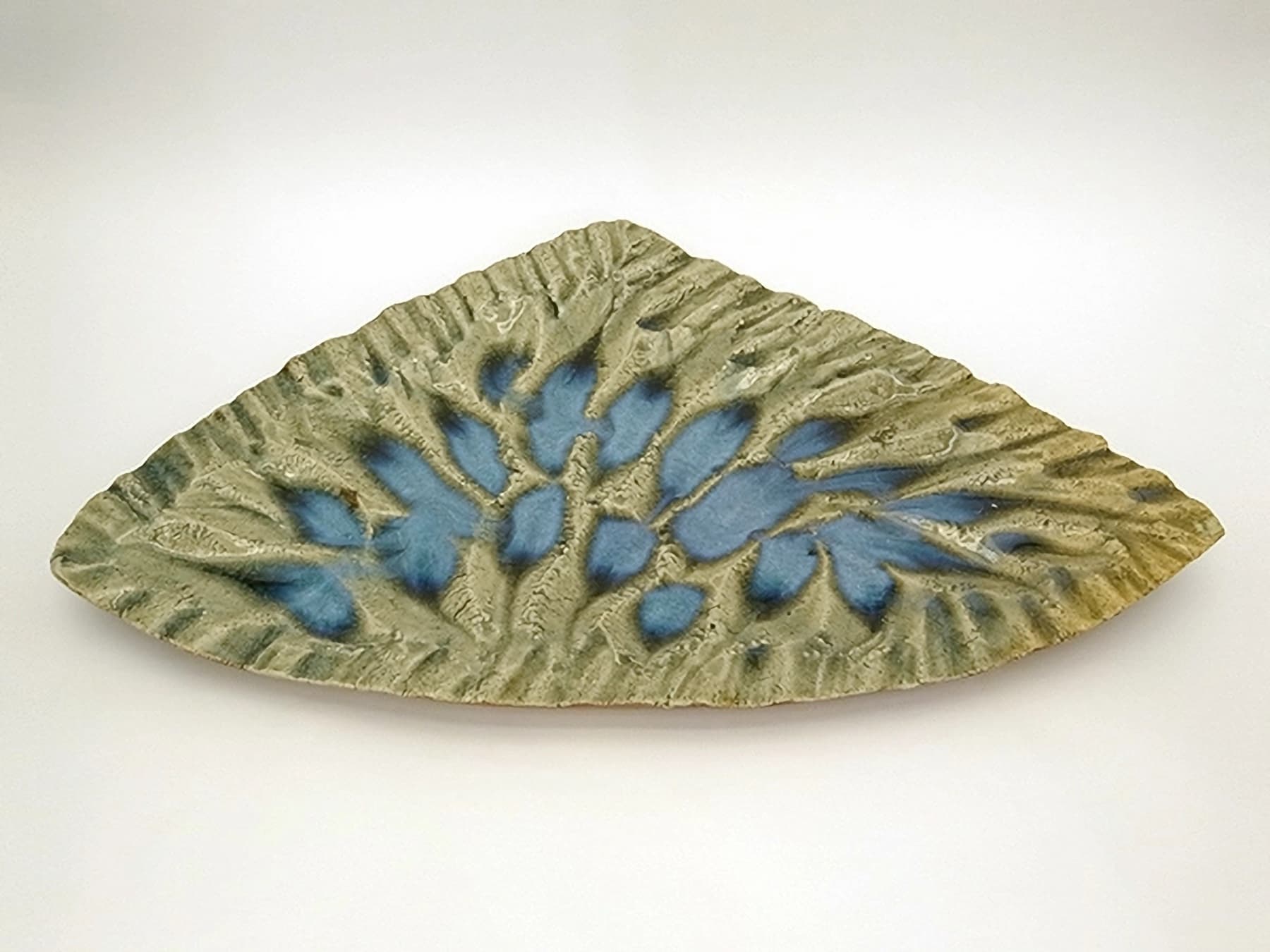
Story
Entrusting My Thoughts to White Clay
Ecchu-Seto ware begins with the sue ware of a thousand years ago and has continued for 430 years. That long history has been sustained by the many clays found at the foot of Mount Tateyama. Even now we dig and use them, sorted by color: brown, yellow, blue, red-brown.
Among them is one I would call special, and that is the white clay. It carries no iron, its particles are fine, and it withstands great heat. Fired in the hottest part of the climbing kiln, it remains earthenware and yet approaches the fineness of porcelain. White clay is recorded in documents 430 years old; in those earliest days its use was reserved for the official kiln of the Maeda house of Kaga.
Since my twenties I have been moved by the beauty of Chinese and Korean ceramics, and have gone to the old kiln sites of Korea to work. In the tea bowls made on the peninsula, the ones we call Goryeo tea bowls, it was not only the color the glaze gave up but the character each clay took on in the fire that drew me in.
Throwing a tea bowl on the potter's wheel, one clay will rise but resist spreading outward; every clay has its own temperament. And yet the more insistent the clay, the more compelling the face it shows. I believe the potter's essential work is to know what a clay holds, and to draw out its appeal by taking its virtues and its faults together.
Journal
Article
A Lecture by Yukio Shakunaga — Ecchu-Seto Ware: “The White Clay of Tateyama”
A hundred years since the revival of Ecchu-Seto ware. A talk on the skill and spirit cultivated over long years of potting, and on the appeal of clay itself. From his official website, here is the announcement of the 22nd public course on the culture of tea, at which Yukio Shakunaga was the lecturer on 28 June 2026.
Article
Encounters That Change Creation
Steve Jobs and his wife visited the first Kyoto solo exhibition of the Ecchu-Seto ware potter Yukio Shakunaga, and he came three times in all while it was on. The notes in which, it is said, he asked about nothing but the clay; and what became of a black half-cylinder tea bowl. Here, just as it was written, is the essay by 金木 静, a friend of forty years.
Chronology
- 1929His grandfather Shojiro Shakunaga builds the Shorakugama climbing kiln at Kamizue, setting out to revive Ecchu-Seto ware
- 1954Born in Tateyama, Toyama Prefecture. His grandfather Shojiro Shakunaga worked to revive Ecchu-Seto ware
- 1975Succeeds to the Shoraku kiln
- 1975Studies under Seizo Hayashiya and apprentices to Sozan Kaneshige of Bizen
- 1980sMentored by Seizo Hayashiya; studies under Sozan Kaneshige in Bizen
- 1996April: first solo exhibition in Kyoto. Steve Jobs and his wife visit; commissions follow for years afterwards
- 2004Rebuilds the Shorakugama climbing kiln to his own design
- 2026Lectures on “The White Clay of Tateyama” at the 22nd public course on the culture of tea (Toyama Prefectural Education and Culture Hall, 28 June)
Inquiries about the works
We welcome inquiries about exhibiting, acquiring or purchasing. For a particular piece, please write to us from that work's page.