Garden design 1958–
Kazuyuki Ishihara
石原和幸
A garden designer who has won thirteen Gold Medals at Britain’s RHS Chelsea Flower Show with Japanese gardens that make the most of moss. Queen Elizabeth praised him as the “Magician of Greenery”.
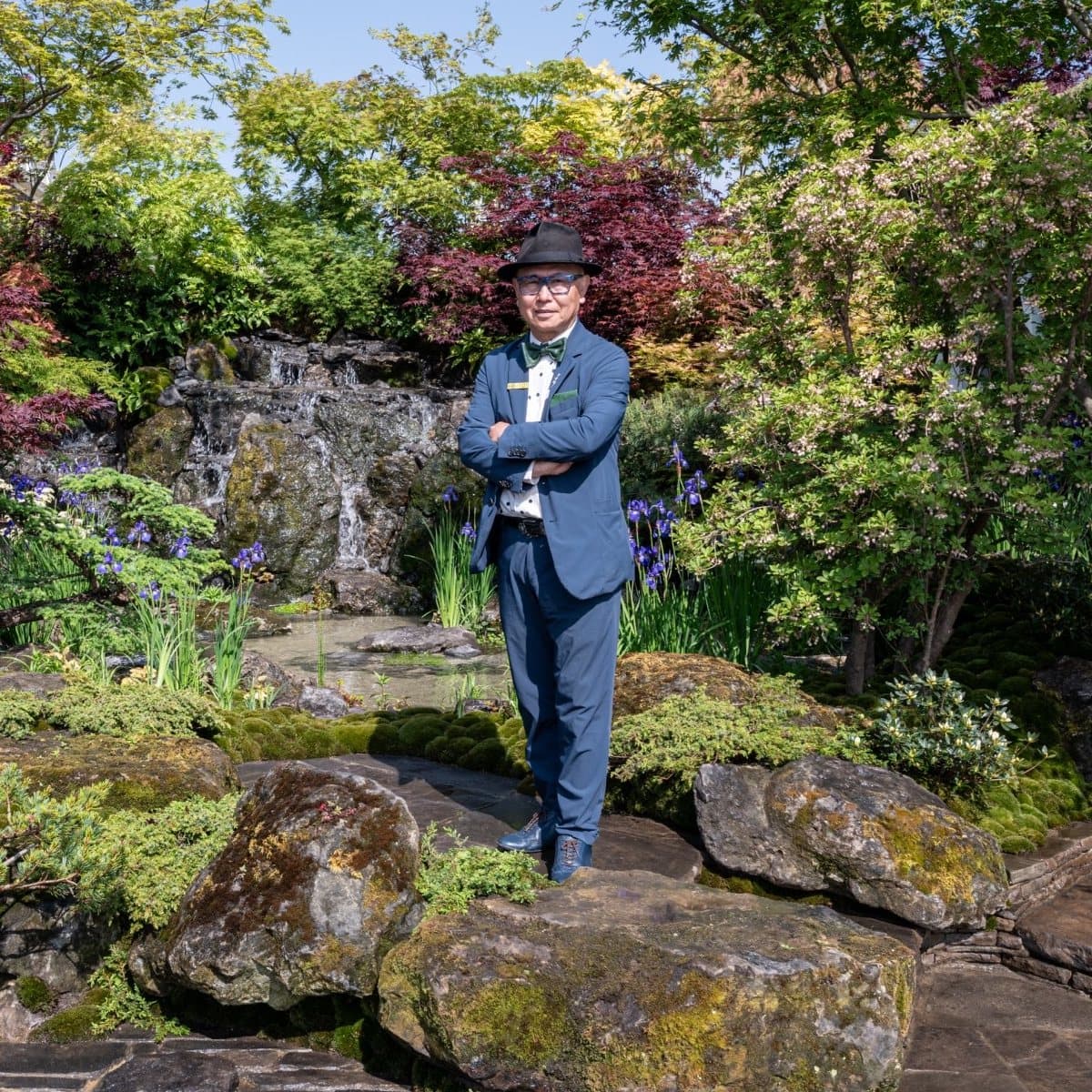
Born in Nagasaki Prefecture in 1958. At twenty-two he entered Ikenobo, the school regarded as the origin of ikebana, and was captivated by the beautiful landscape that could arise from just three branches. Enchanted by flowers and greenery ever since, he has widened his work from selling flowers on the street to running a shop, and then to making gardens.
With gardens of moss he opened up a world of his own, one that has won high acclaim at the Chelsea Flower Show, the pinnacle of international garden shows, organised by the Royal Horticultural Society (RHS). In the twenty-two years since his first appearance in 2004, he has exhibited eighteen times and won an award every time. From 2006 to 2025 he won thirteen Gold Medals, seven of them together with the Best Garden award, given to the first in each category. In 2016 he received the President’s Award, the highest prize for an exhibitor, and in 2025 the highest honour among the gardens on show, “RHS Chelsea Garden of the Year”, together with “RHS People’s Choice Best Show Garden”, chosen by visitors.
At home, he created “Flower Paradise” at Haneda Airport Terminal 1, the gateway to Japan, recreating his award-winning garden from Britain. From Onagawa, a disaster-hit town in Tohoku, to places across the country, he has gone on creating Japanese landscapes, and his gardens and green walls, private homes included, amount to 10,000 projects. He created a garden as an invited designer for the Beijing Expo (the International Horticultural Exhibition in Beijing), and has served as “Green Ambassador” for twenty-one in all across Japan: sixteen cities, three facilities and two products.
In recent years he has made the pine bonsai used in his gardens under the brand “fukei bonsai” (landscape bonsai), and commissions keep coming from collectors in Japan and abroad. As head of Ishihara Kazuyuki Design Laboratory, working from Tokyo, Fukuoka and Nagasaki, he takes on the design, construction and overall production of gardens, green walls and landscapes in Japan and abroad, and conveys the wonder of plants through lectures and flower classes.
Commissions

2026 RHS Chelsea Flower Show (London)
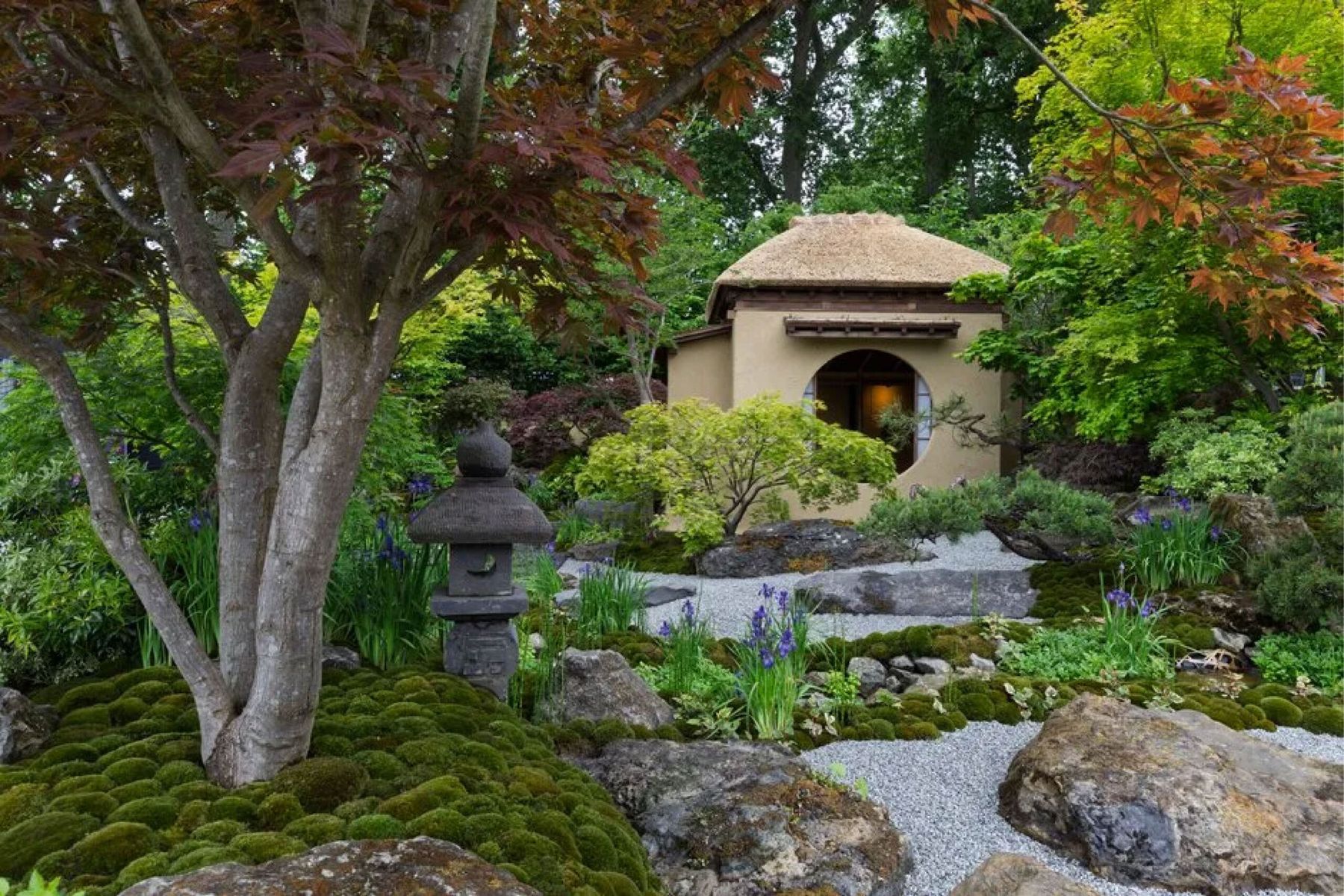
Tokonoma Garden – Sanumaya no Niwa
2016 RHS Chelsea Flower Show (London)
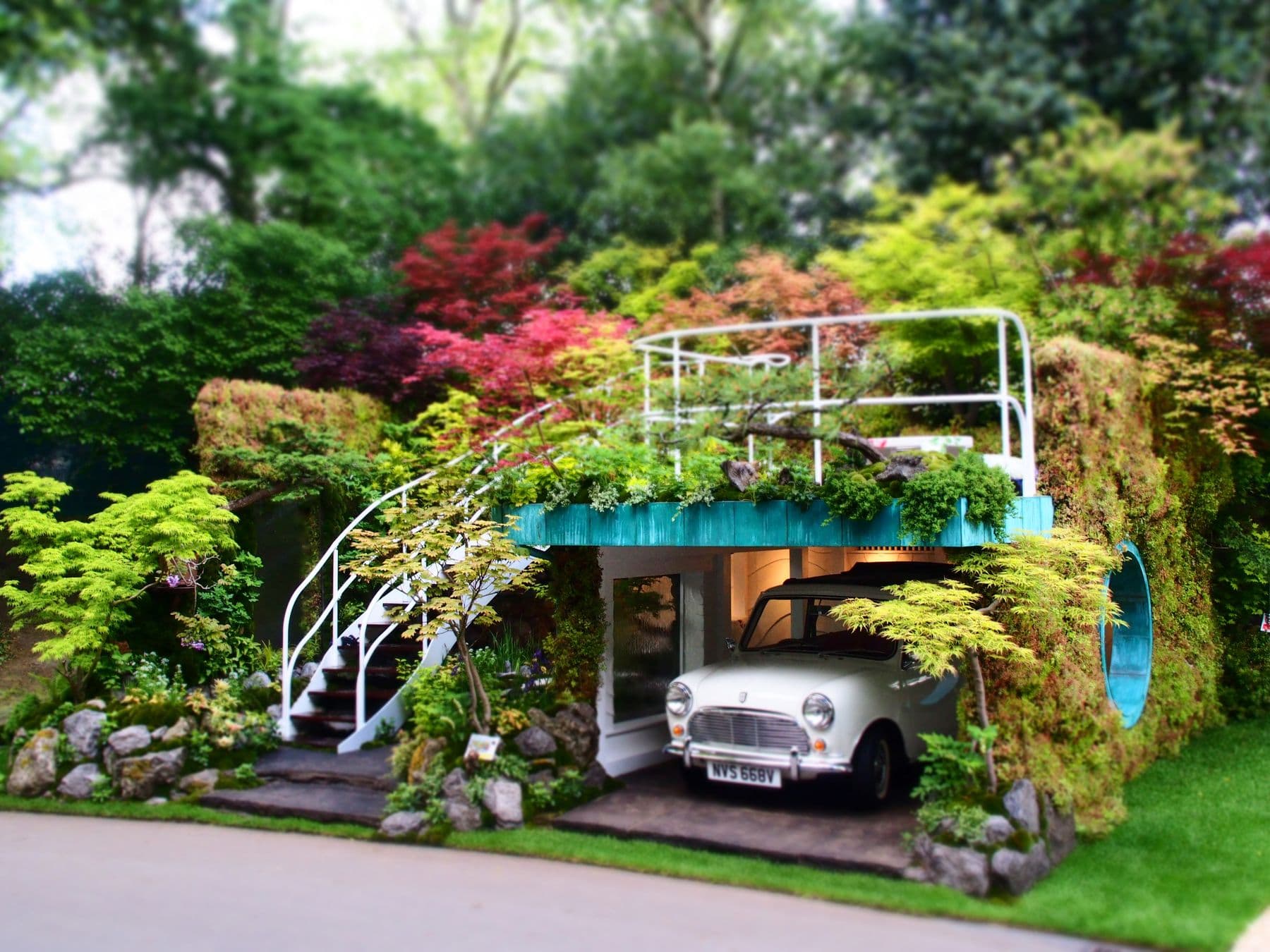
Senri Sentei – Garage Garden
2018 Beijing Expo (Yanqing, Beijing, China)
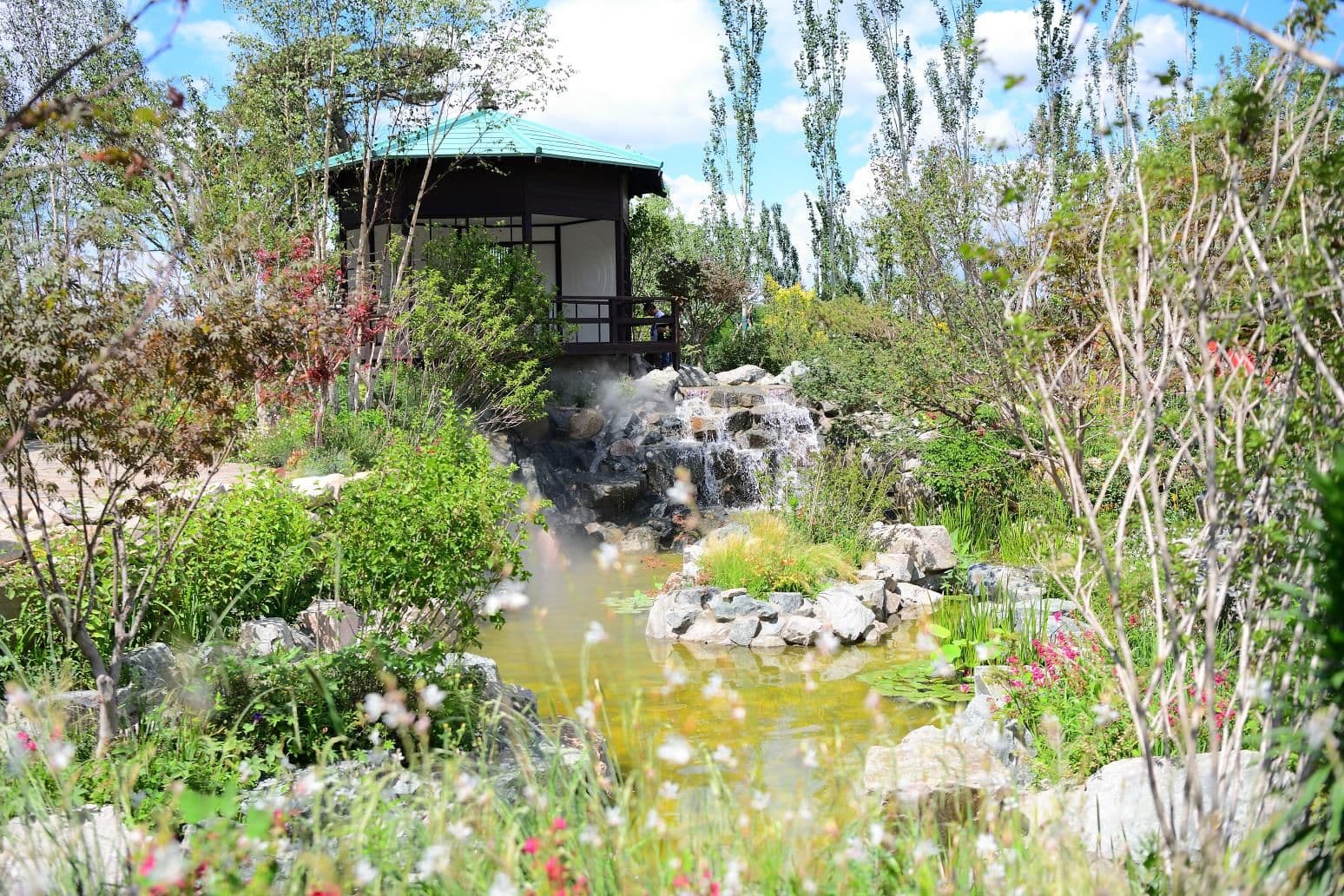
Togenkyo (Peach Blossom Land)
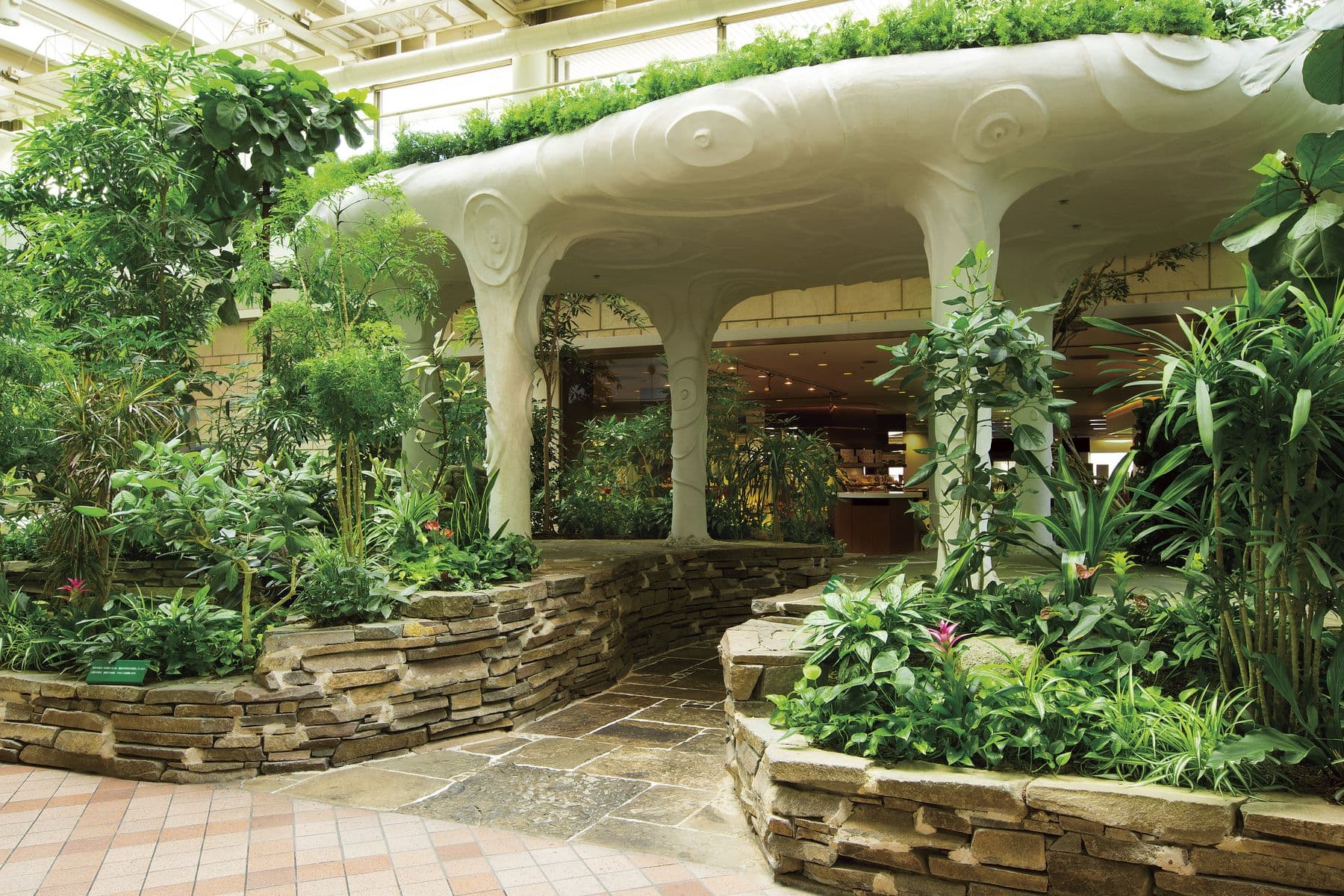
2012 Haneda Airport Terminal 1 (Ota, Tokyo)
Flower Paradise: I Wanted to Read You a Green Poem
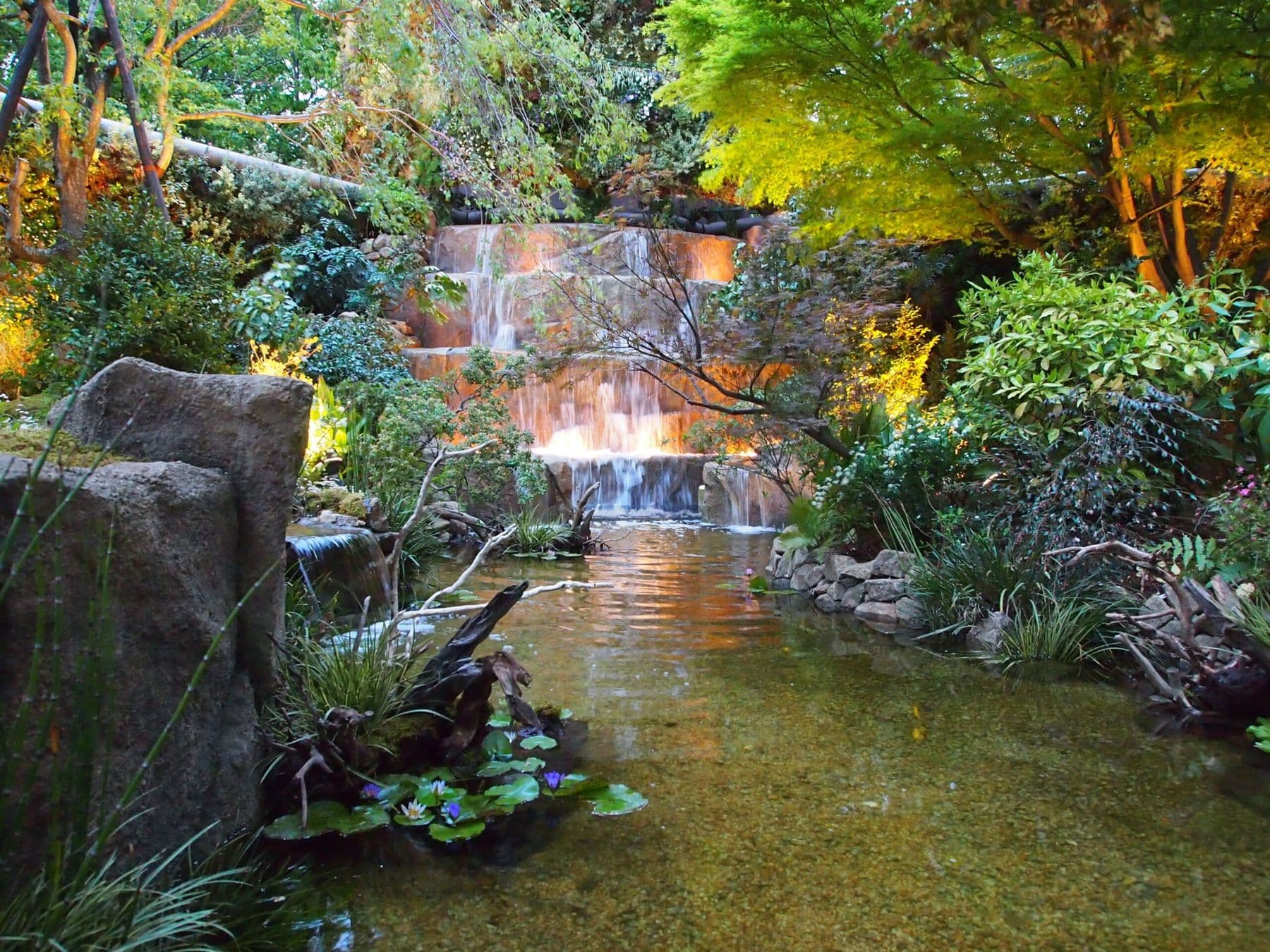
2013 The Westin Tokyo (Meguro, Tokyo)
Westin Garden
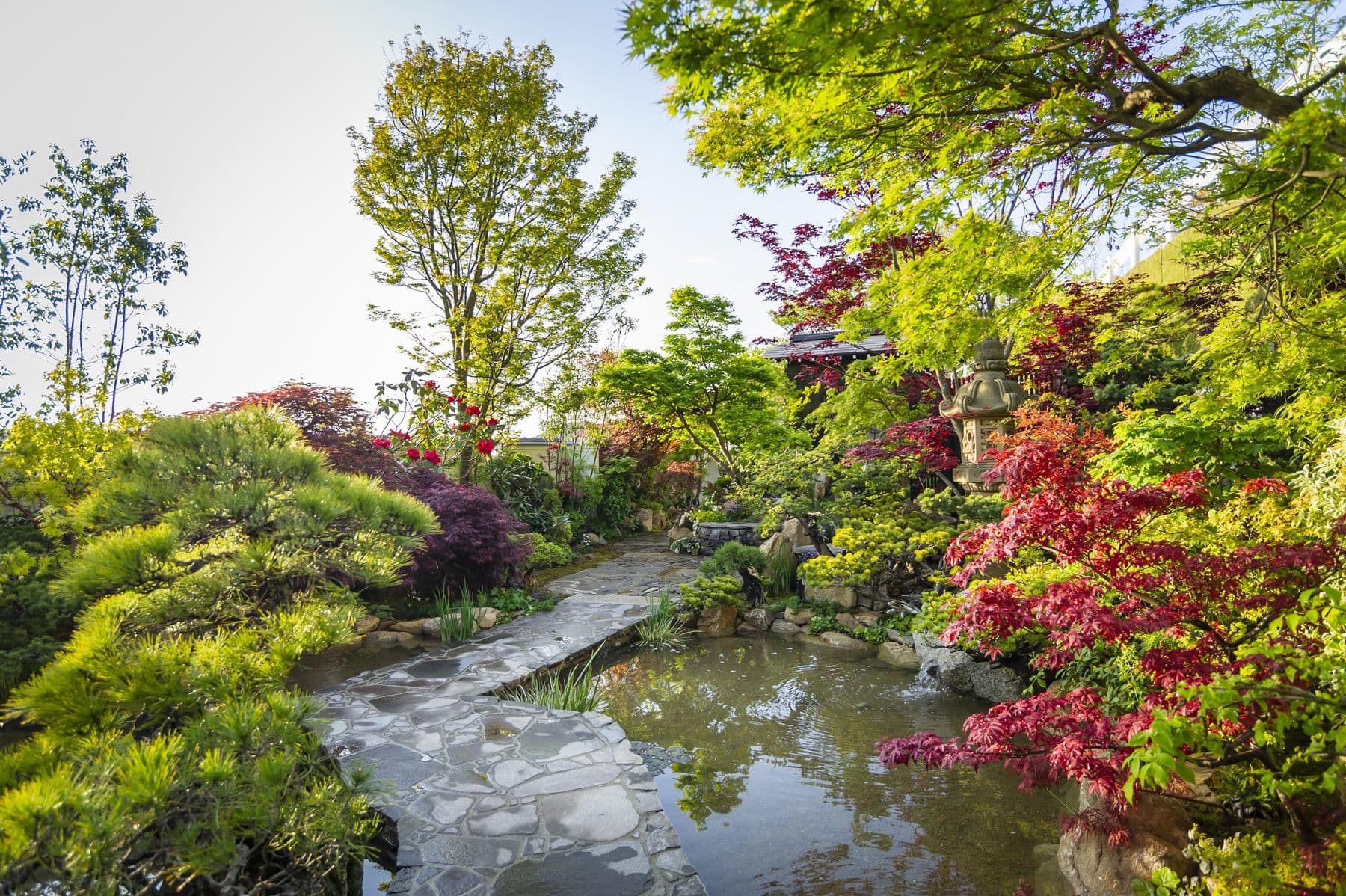
2020 Mihara, Nagasaki
Mihara Garden
Story
Towards a World Where Everyone Can Smile
Words always accompany Kazuyuki Ishihara’s gardens. For “MOROTO no IE”, shown at the 2024 Chelsea Flower Show, he wrote: “When you are happy, your family is happy too. When a family is happy, so is the town, and then the country. If there were more flowers, might conflict disappear too? Aiming for a world where everyone can smile.”
The following year, 2025, “Cha No Niwa – Japanese Tea Garden” grew out of memories of his home town, Nagasaki. To Nagasaki, where the atomic bomb of 1945 destroyed everything, nature in time returned. Nature can come back to life, beautiful once more — the garden that expressed this hope won a Gold Medal and, at the same time, RHS Chelsea Garden of the Year, the highest honour among the gardens on show, and RHS People’s Choice, chosen by visitors’ votes. In Britain, one of the world’s great garden nations, the beauty of the Japanese garden was recognised.
His themes always lie in everyday life. In “Garage Garden” (2016), a place merely for parking a car became a place to spend time with plants. In “Green Switch” (2019), you look out at greenery through glass as you shower. And in “Tokonoma Garden – Sanumaya no Niwa” (2026), he proposed for today, as a garden, the way of life around a tokonoma, where the family gathered and people from the neighbourhood came to call. Even in a small space, a little ingenuity can give the heart room to breathe. Ishihara’s gardens teach us that.
In Mihara, in his home city of Nagasaki, he goes on making “Mihara Garden”, an open garden that makes the most of its hillside. With two gardens, one Japanese and one Western, a restaurant and café, a gallery of fukei bonsai and even a goat shed, it is a garden that never stops evolving. The City of Nagasaki has also taken note of it as a model for making good use of sloping land.
Chronology
- 1958Born in Nagasaki Prefecture
- 1980Enters the Ikenobo school of ikebana at twenty-two. Later begins selling flowers on the street, widening his work to a shop and then to garden-making
- 2004Exhibits for the first time at the RHS Chelsea Flower Show in Britain
- 2006Receives his first Gold Medal at Chelsea
- 2008Creates a green wall on the exterior of “Kazahana” in Minami-Aoyama
- 2009Founds Ishihara Kazuyuki Design Laboratory (September)
- 2012Creates “Flower Paradise: I Wanted to Read You a Green Poem” at Haneda Airport Terminal 1 (March)
- 2013Creates “Westin Garden”, the garden of The Westin Tokyo
- 2016Receives the President’s Award, the highest prize for an exhibitor, at Chelsea
- 2018Creates the garden “Togenkyo” (Peach Blossom Land) as an invited designer for the Beijing Expo
- 2020Creates the open garden “Mihara Garden” at Mihara, in his home city of Nagasaki
- 2025Becomes the first Japanese recipient of Gold at the Philadelphia Flower Show (March)
- 2025Receives his thirteenth Gold Medal at Chelsea, together with RHS Chelsea Garden of the Year and RHS People’s Choice (May)
- 2026Receives the Outstanding Contribution Award at the NGO CSW70 Forum, held at United Nations Headquarters in New York (March)
- 2026Receives a Silver-Gilt Medal at Chelsea, making eighteen consecutive awards in the twenty-two years since his first appearance (May)
- 2026Receives a Platinum Award at the Singapore Garden Festival (July)
Garden commissions
We welcome inquiries about gardens, green walls, indoor greenery and fukei bonsai.